
Shelves are small things with big impact.
They sit quietly on your walls. Or float above consoles. Or stretch across entire rooms. Yet somehow, they control how your living room feels.
Below are 20 living room shelf styling ideas that work in real homes. Not showrooms. Not magazine spreads that no one actually lives in.
Just honest ideas. Easy to adapt. Easy to love.
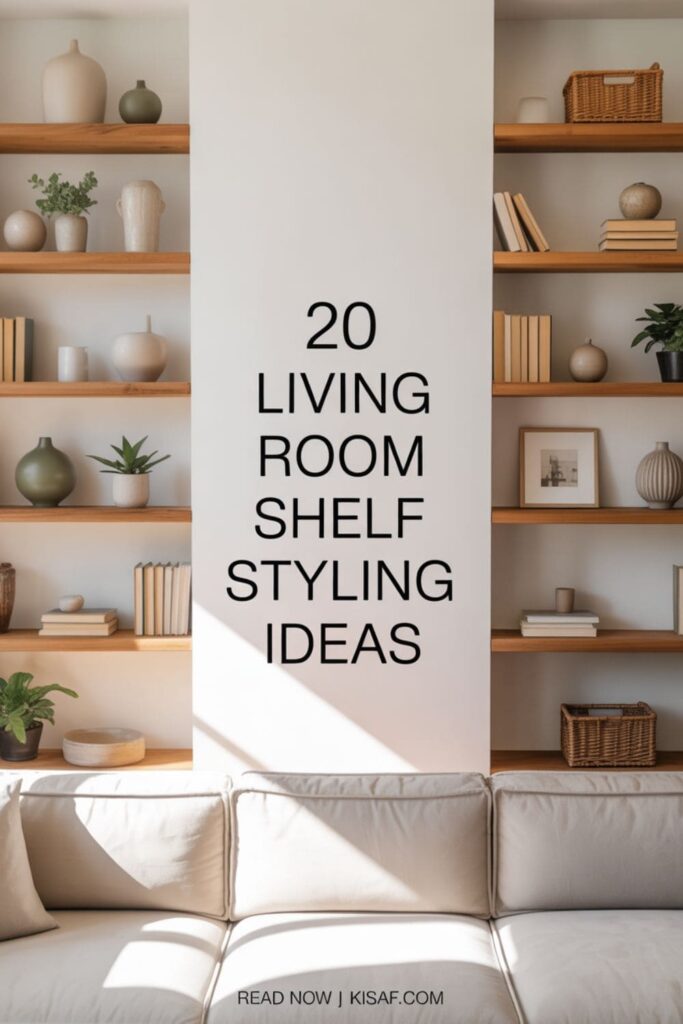
20 Living Room Shelf Styling Ideas
1. Start With Fewer Items Than You Think
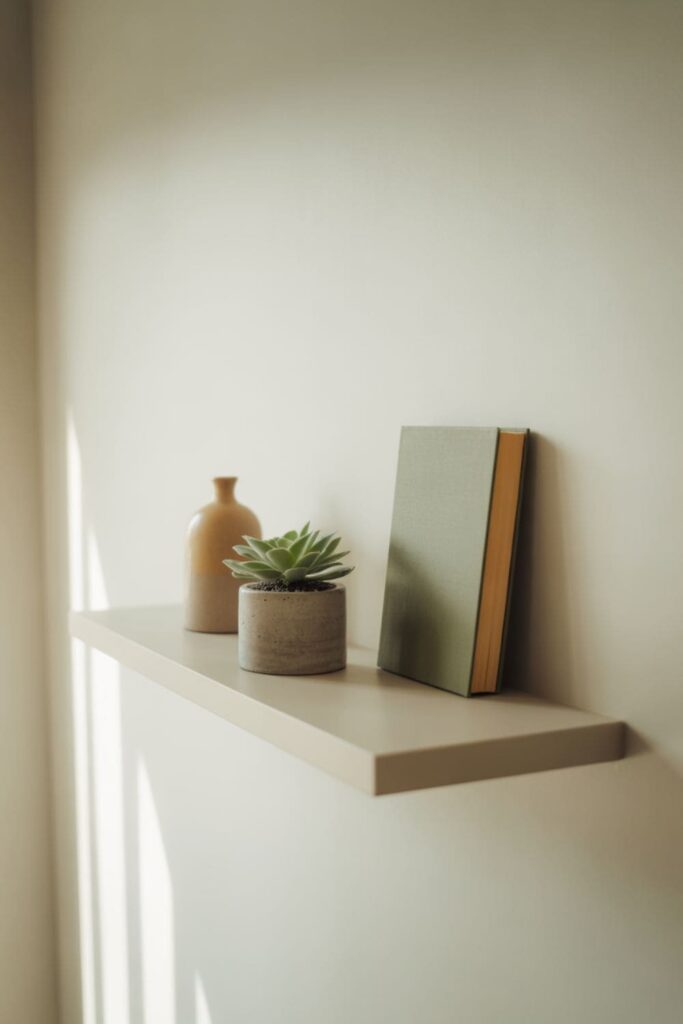
Most shelves fail because they try too hard.
Too many objects. Too little breathing room.
Begin by removing everything. Yes, everything. Then add back only what earns its place.
Leave gaps. Empty space is not wasted space. It lets the eye rest.
2. Use Books as Design Tools
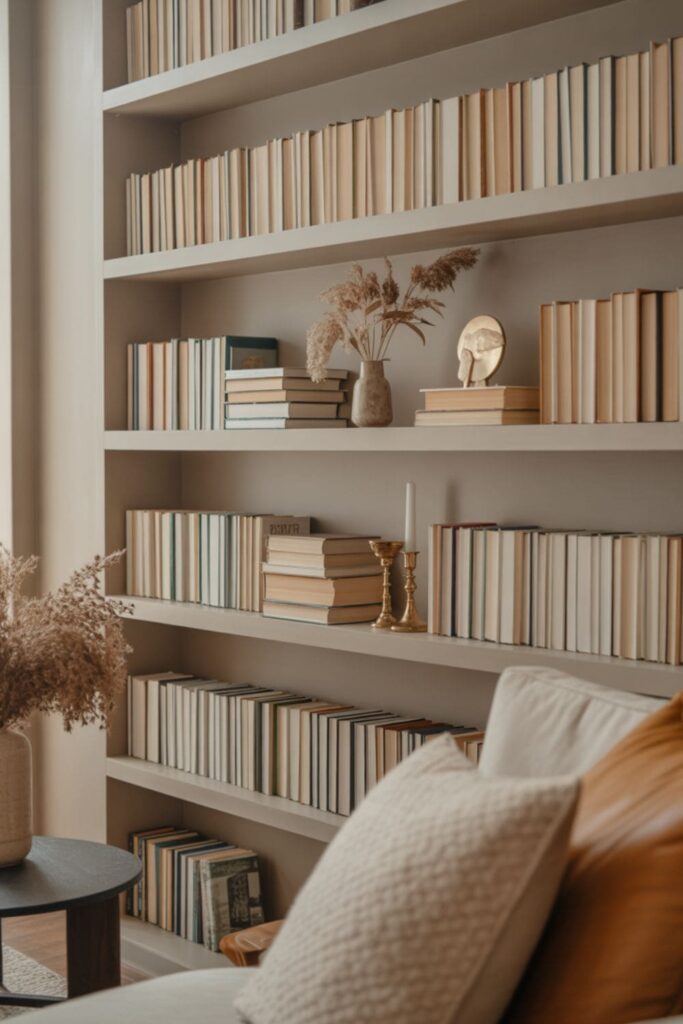
Books aren’t just for reading. They’re styling gold.
Stack some vertically. Lay others flat. Use horizontal stacks as bases for small objects.
Hardcovers work best. Especially with neutral spines or muted colors.
You don’t need to hide colorful spines. Just group them thoughtfully.
3. Stick to a Loose Color Palette
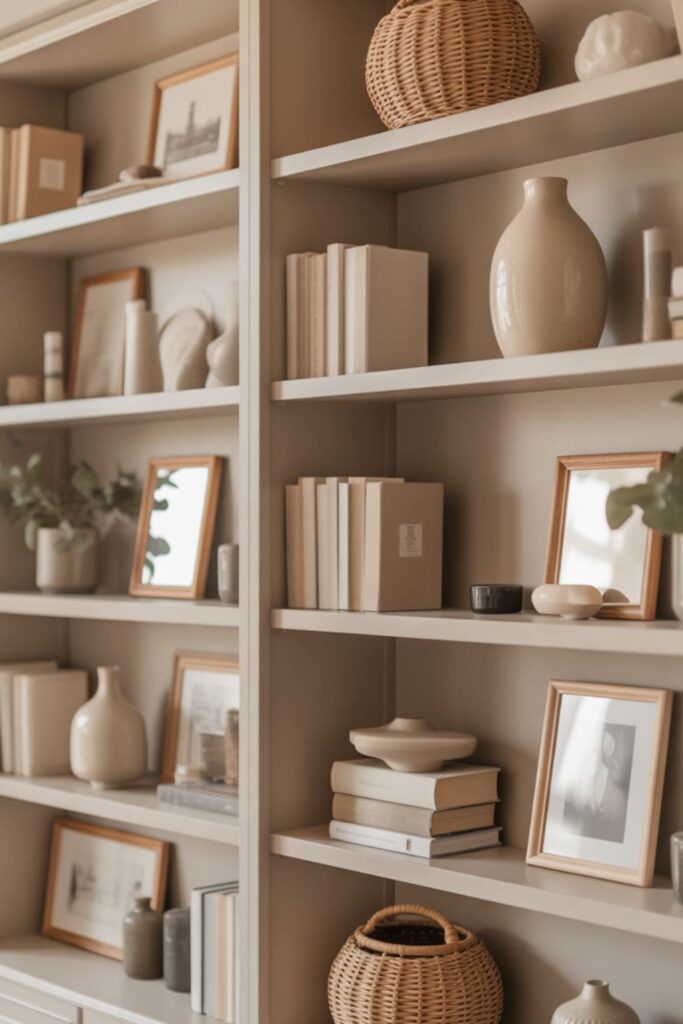
Random colors create visual noise.
Choose a soft palette. Three to four main tones is enough. Neutrals with one accent color works beautifully.
This doesn’t mean everything must match. It just needs to relate.
When colors feel connected, shelves feel calm. Even with many objects.
4. Use Greenery Sparingly
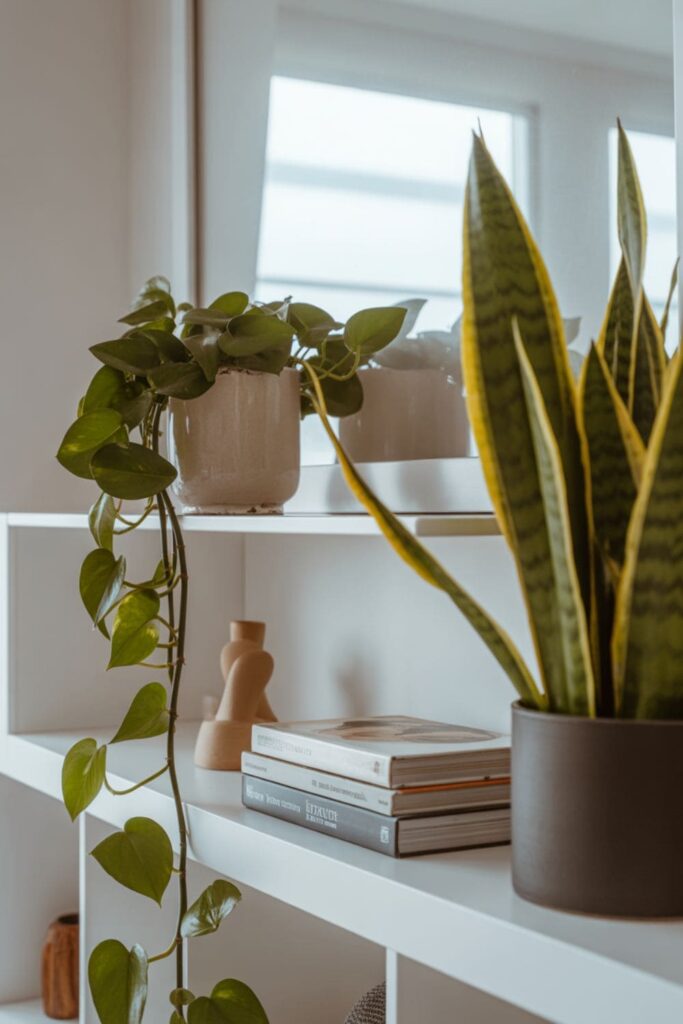
Plants breathe life into shelves.
But too many plants feel chaotic. Especially on small shelves.
Choose one or two. Let them stand out.
Trailing plants work well on higher shelves. Sculptural plants suit eye-level shelves.
Real or faux is fine. What matters is placement.
5. Create Visual Triangles
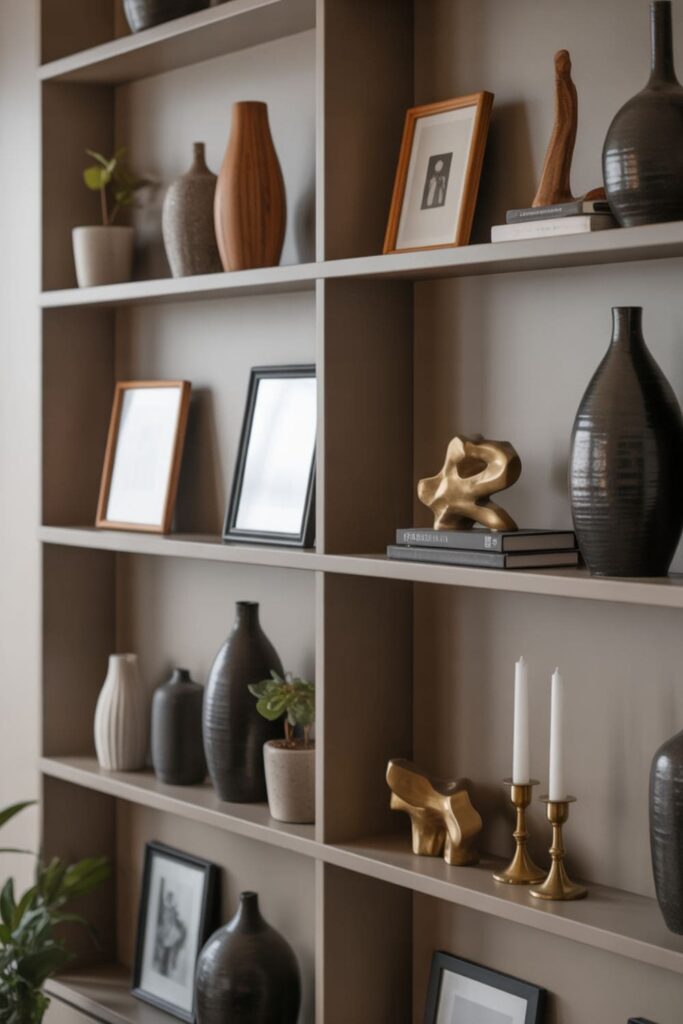
Designers love this trick for a reason.
Group items in threes. Arrange them so the eye moves in a triangle shape.
Different heights. Different forms. One visual unit.
This creates balance without symmetry.
6. Balance Shelves With the Room
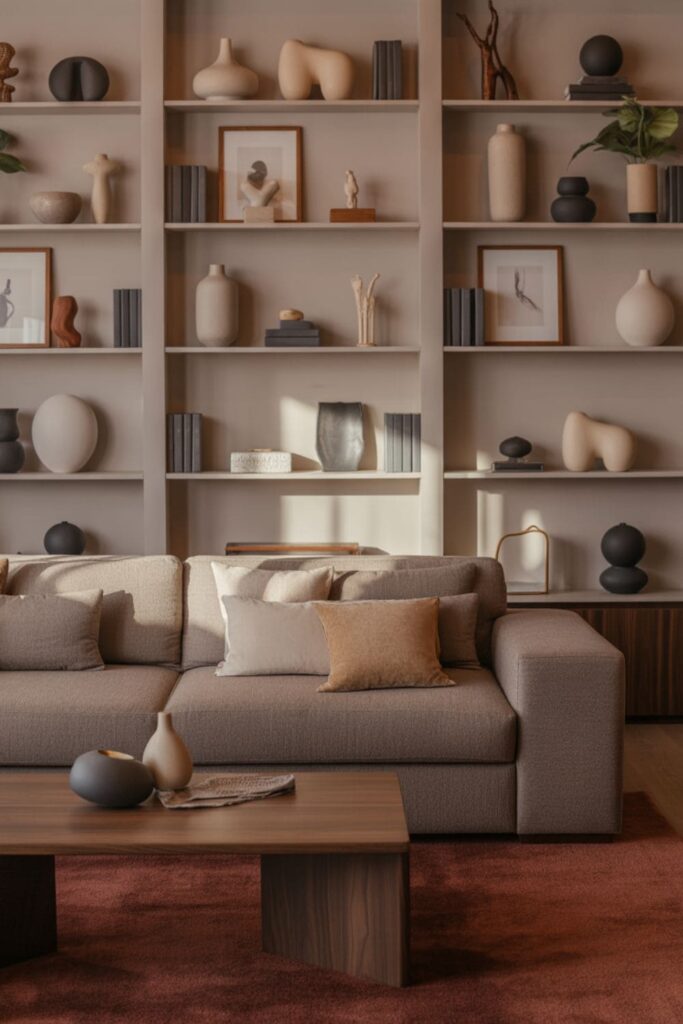
Shelves don’t exist in isolation.
Look at the rest of the living room. The sofa. The rug. The coffee table. The lighting.
Echo colors and materials already in the space.
When shelves relate to the room, they feel grounded. Intentional. Complete.
7. Anchor Shelves With One Heavy Piece
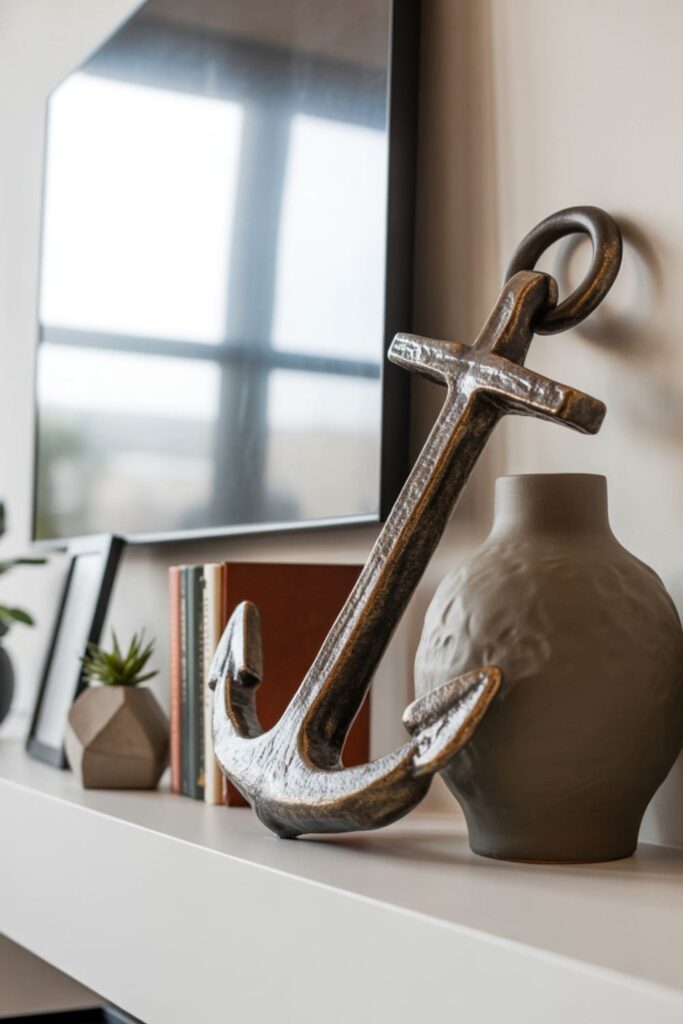
Every shelf needs weight.
Not physical weight. Visual weight.
One solid object—a stone sculpture, a thick stack of books, a chunky vase—keeps lighter pieces from floating away visually.
This anchor gives the shelf stability.
8. Rotate Decor Seasonally
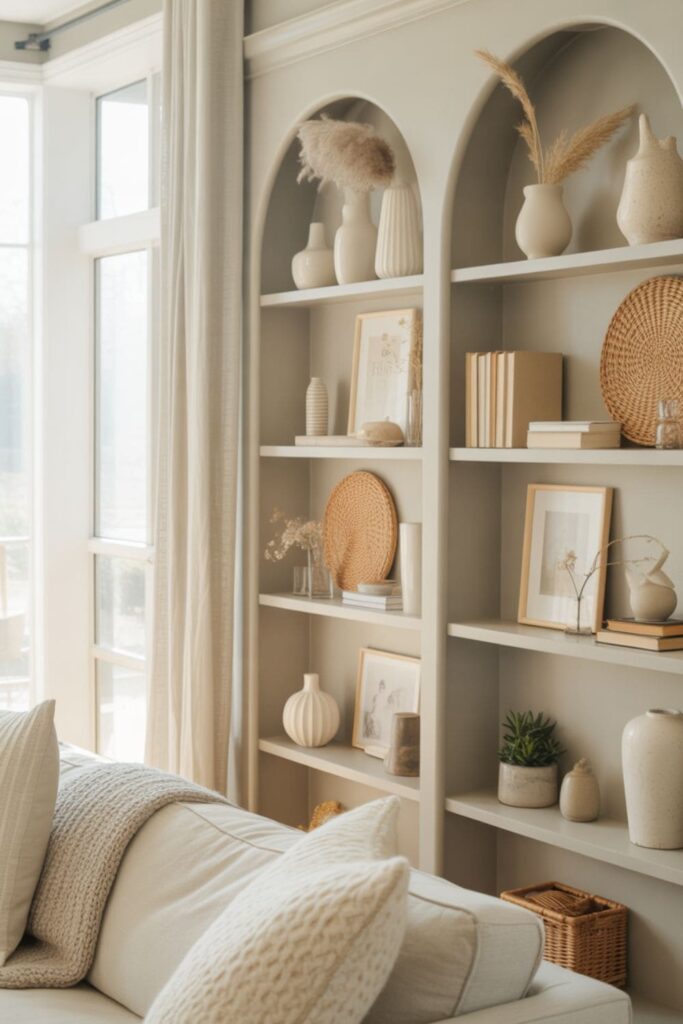
Shelf styling doesn’t have to be permanent.
Switch things out with the seasons. Lighter objects in summer. Warmer textures in winter.
This keeps the living room feeling fresh without buying new furniture.
Even small swaps make a difference.
9. Use Baskets for Soft Contrast
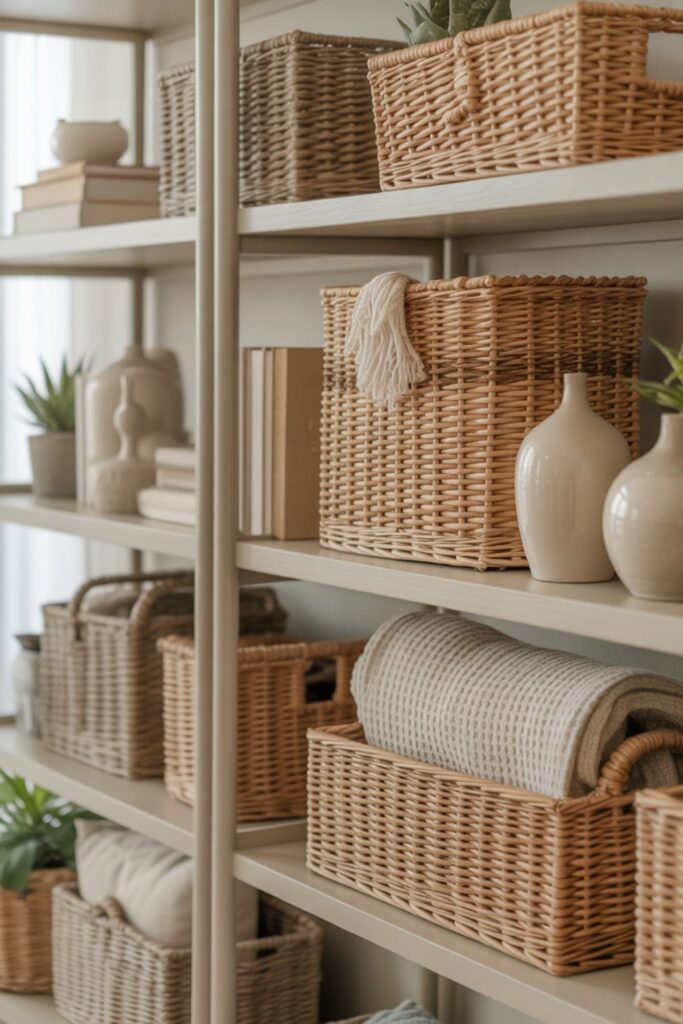
Shelves can feel hard. Too sharp. Too rigid. Baskets soften things.
They add warmth. Texture. And subtle storage.
Use them sparingly. One basket per shelf is usually enough.
Too many and it feels bulky.
10. Lean, Don’t Hang, Small Frames
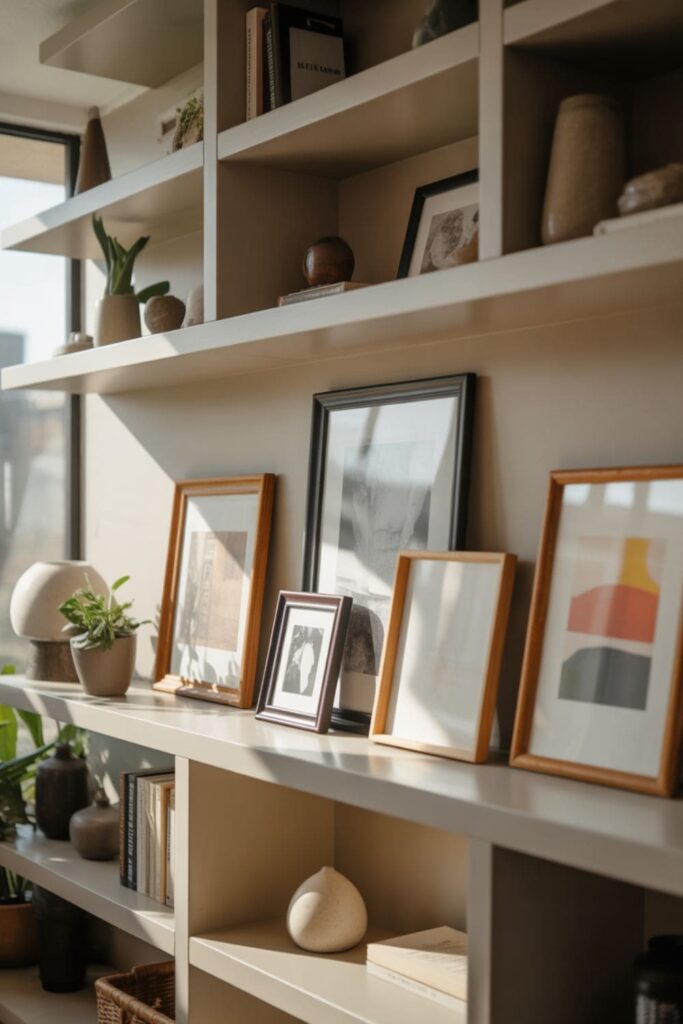
Not everything needs a nail.
Leaning frames feel relaxed. Casual. Modern.
They’re also easier to swap out later.
Layer a small frame in front of a larger one.
Related: DIY Indoor Plant Shelf Ideas
11. Break the Line Occasionally
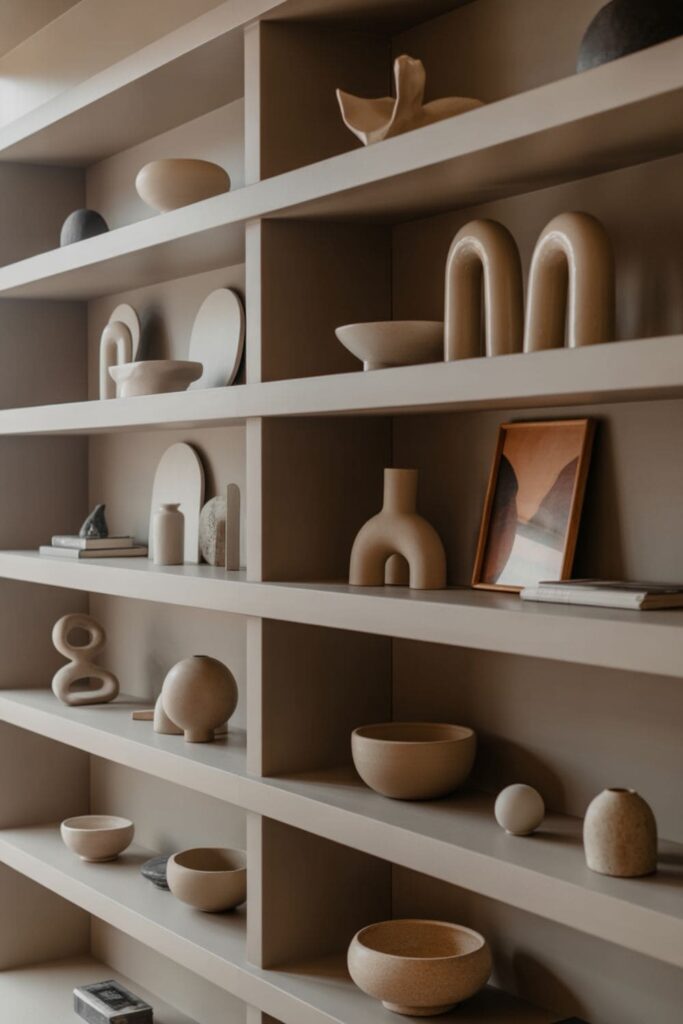
Shelves often run in straight lines. Break that rhythm.
Add a curved object. A round bowl. An arched frame.
Curves soften hard edges.
They keep shelves from looking too linear.
12. Edit Ruthlessly Over Time
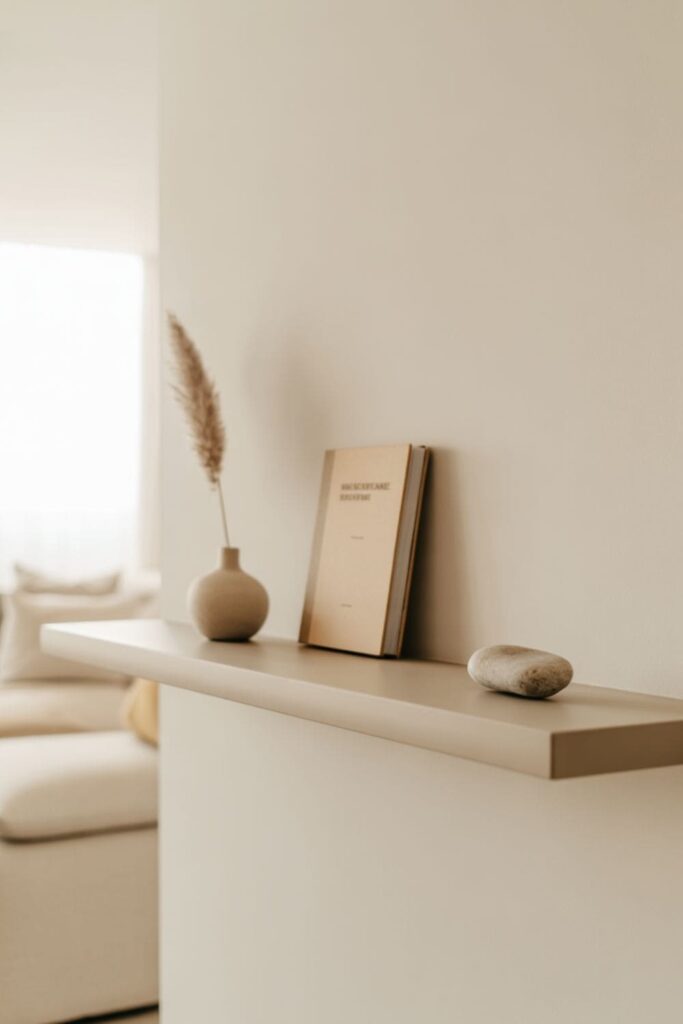
Shelf styling improves with subtraction.
Every few months, remove one thing.
If you don’t miss it, it didn’t belong.
Great shelves aren’t built by adding more.
13. Keep Everyday Items Beautiful
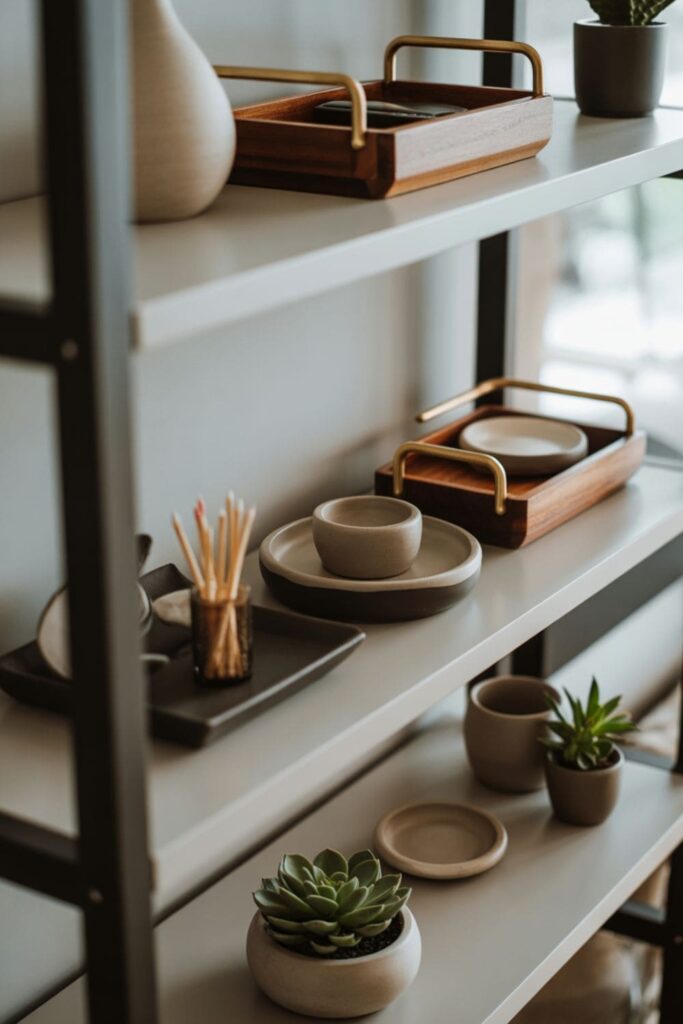
Shelves don’t need to be precious.
If something lives there daily, let it be part of the design.
Remote trays. Coasters. Match holders. Small boxes.
Choose versions that look good and work hard.
14. Use Dark Objects to Ground Light Shelves
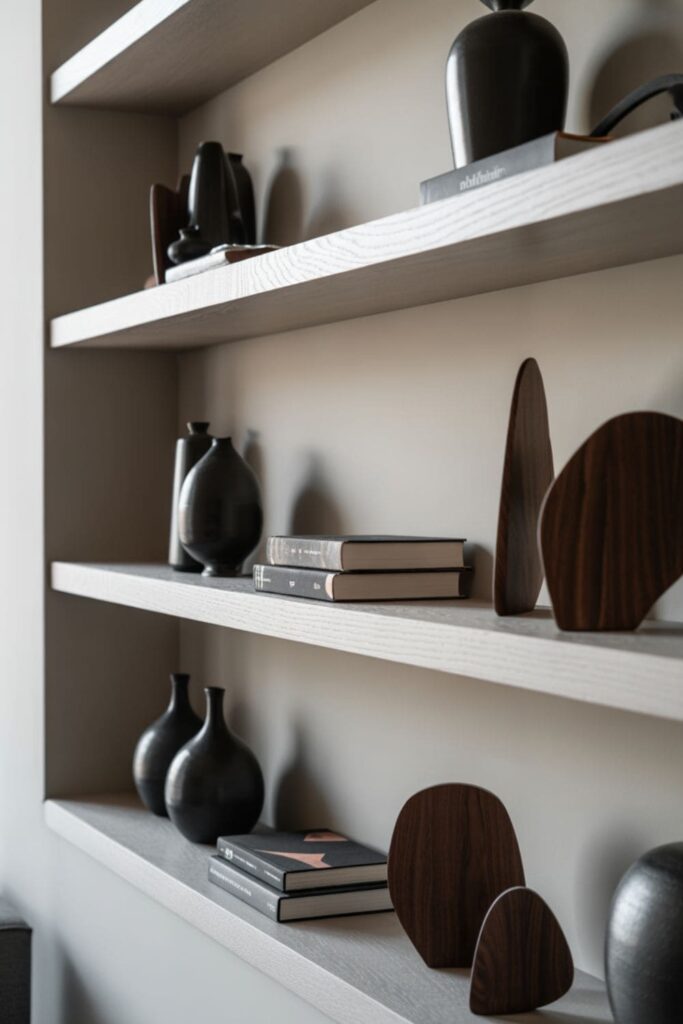
Light shelves can feel floaty.
Anchor them with darker elements.
A black vase. A deep wood tone. A charcoal book spine.
These pieces add depth.
15. Avoid Filling Corners Automatically
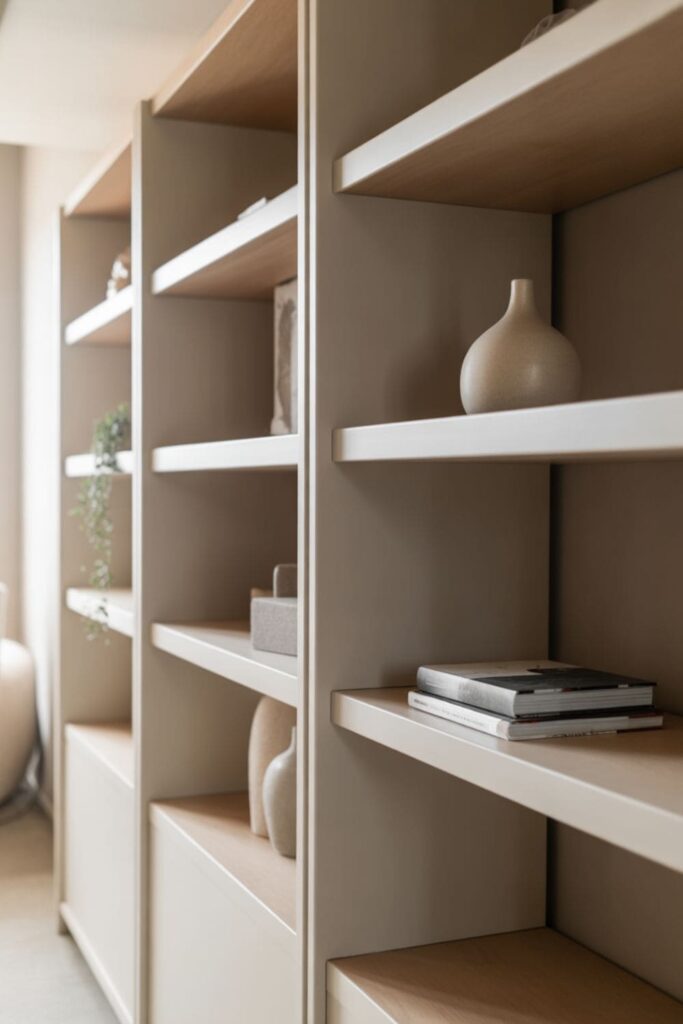
Corners don’t always need something.
Empty corners can feel intentional.
Only fill them if the shelf feels unfinished.
Sometimes, restraint looks smarter than decoration.
16. Turn Collections Into Curated Moments
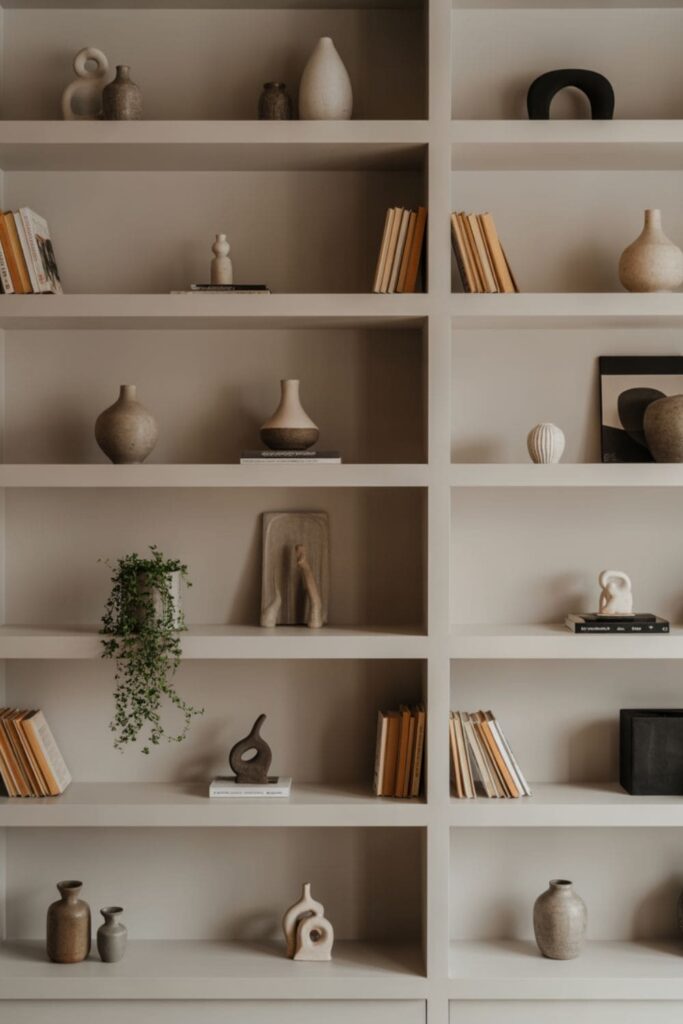
If you collect something, show it proudly. But edit it.
Choose the best pieces. Group them tightly.
Too much repetition feels cluttered.
Curated collections feel thoughtful.
17. Introduce Soft Lighting
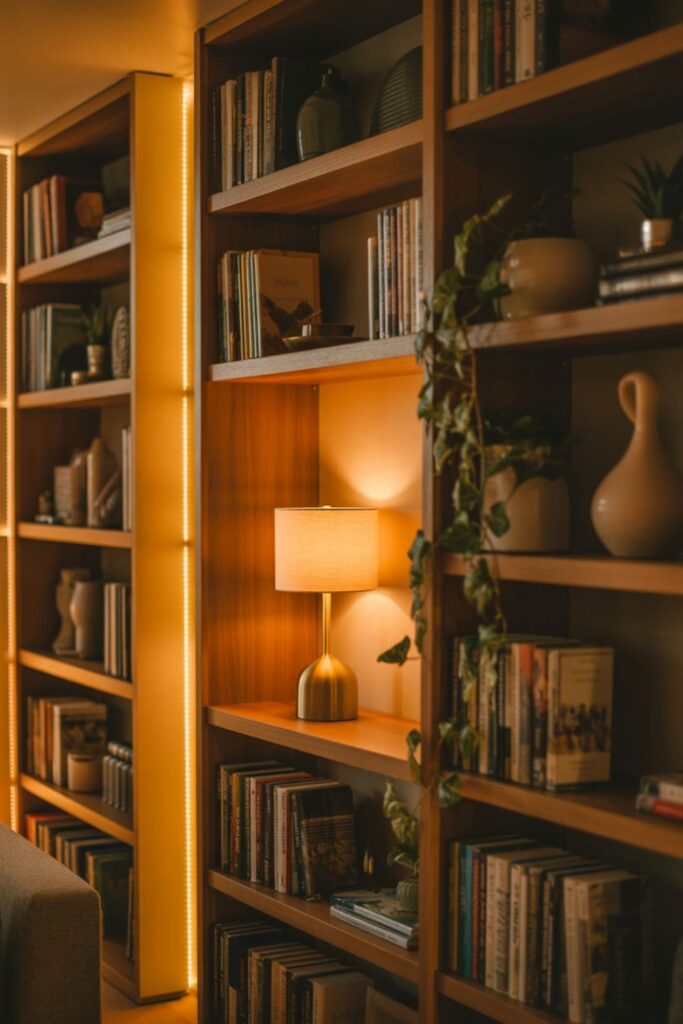
Shelves don’t have to rely on overhead light.
Add a small lamp. Or subtle LED lighting.
Warm light adds depth and atmosphere.
It makes shelves feel cozy at night.
18. Use Natural Materials to Warm the Space
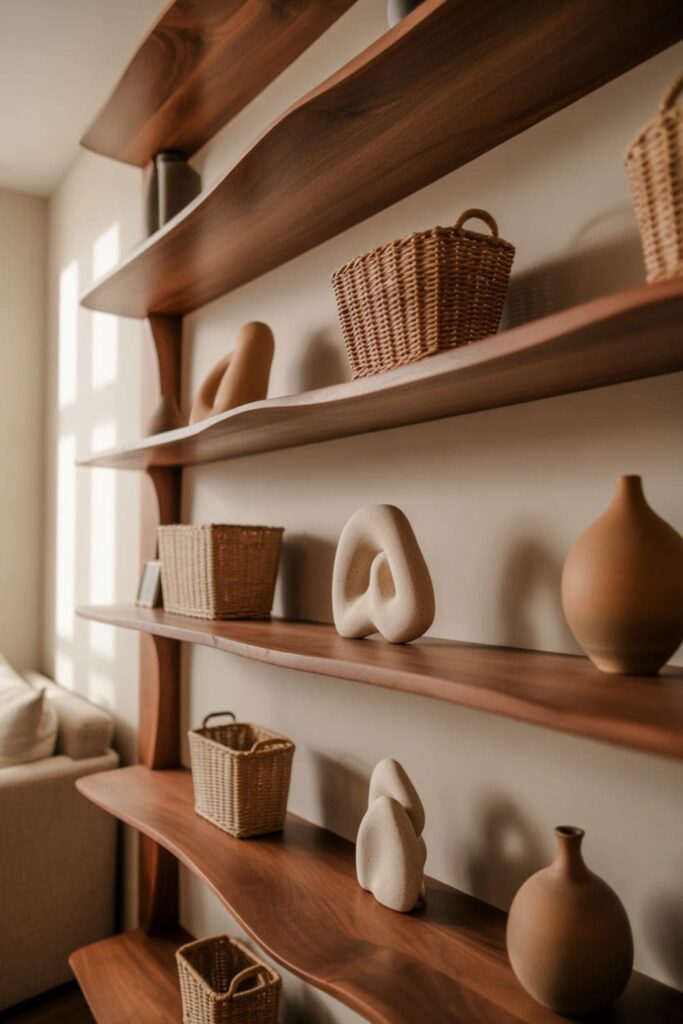
Living rooms can feel cold.
Natural materials fix that fast.
Wood. Stone. Linen. Clay.
These textures add warmth without effort. They age well too.
19. Don’t Overstyle Lower Shelves
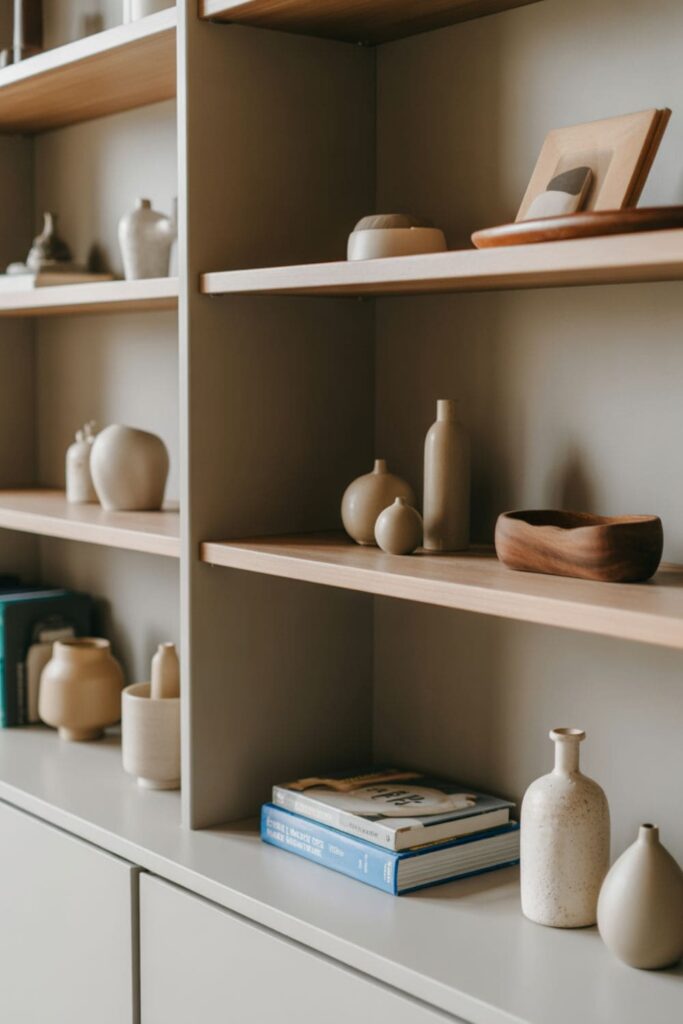
Lower shelves live closer to real life.
Feet. Kids. Pets. Bags. Keep these shelves simpler.
Durable items work best here.
Save delicate styling for higher levels.
20. Trust Your Eye Over Trends
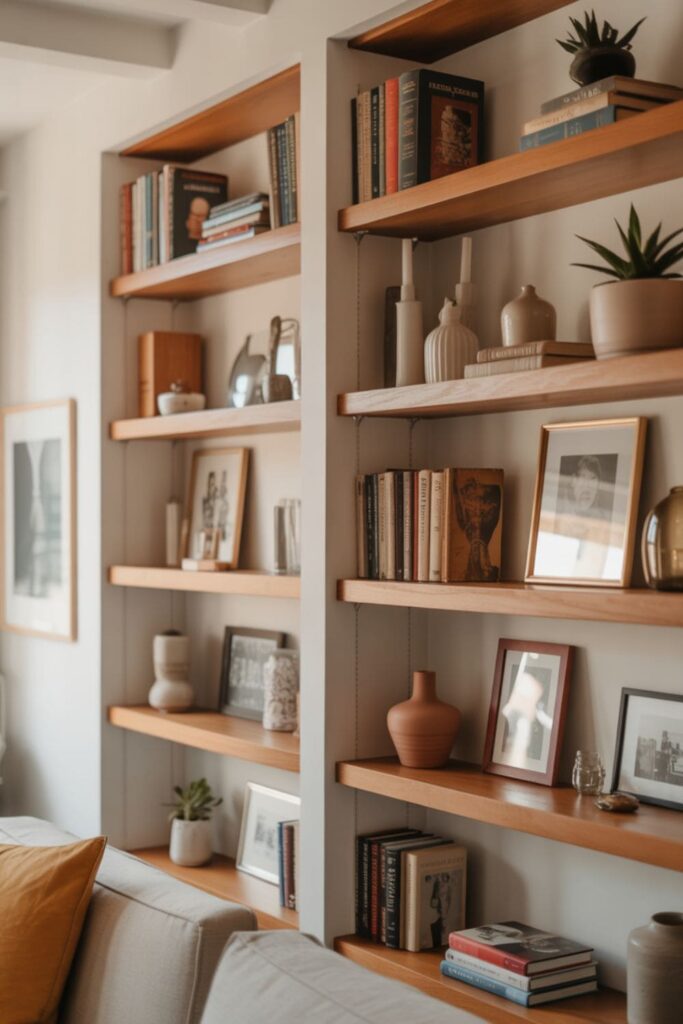
Trends fade quickly. Your comfort lasts longer.
If something feels right to you, keep it.
If it feels forced, remove it.
Good shelf styling isn’t about approval.
Related: Kitchen Decor Ideas With Shelves!
Conclusion
Living room shelves are quiet storytellers. They show how you live. What you love. What you notice.
Good shelf styling isn’t about copying trends. It’s about editing. Choosing. And letting things breathe.
Start simple. Add slowly. Trust your instincts.
And remember this—if your shelves feel calm to you, they’re doing their job.

