
Lighting changes everything. It sets the mood. It shapes how a room feels. It can make a small space feel bigger. Or turn a plain room into something special.
Below are 20 living room lighting ideas. Simple ideas. Practical ideas. Some bold. Some subtle. All meant to work in real homes, not showroom fantasies.
20 Living Room Lighting Ideas
1. Statement Chandelier

A chandelier isn’t just for dining rooms anymore. In a living room, it becomes art. A focal point. Something that pulls the eye upward.
Choose one that matches the scale of the room. Big room? Go bold. Small room? Keep it airy and open.
2. Table Lamps with Warm Shades
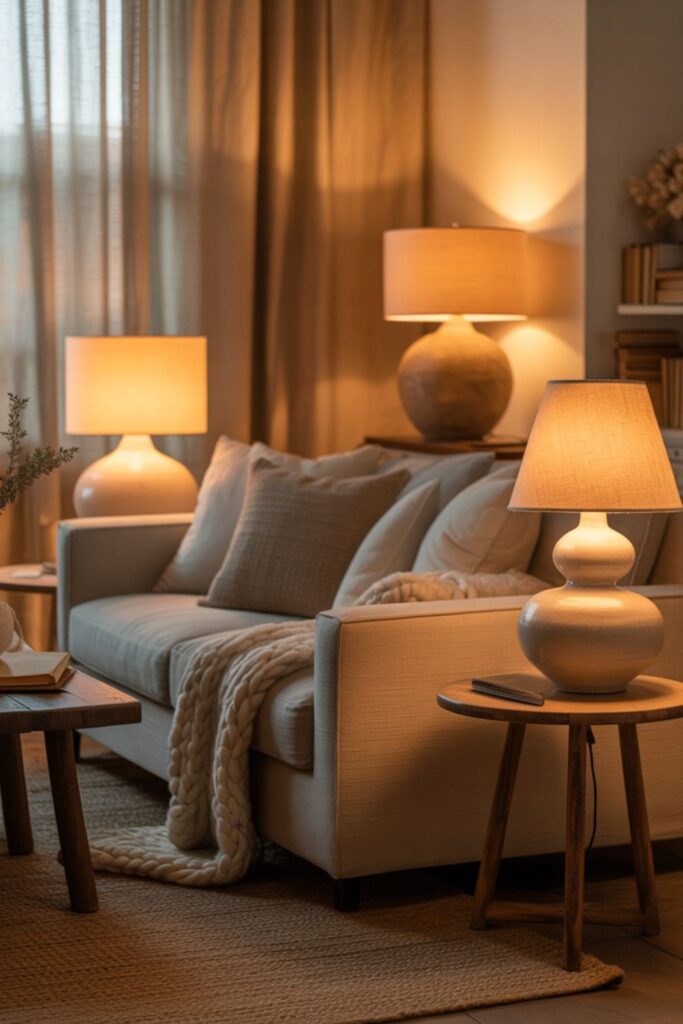
Table lamps soften everything. Choose warm bulbs. Use fabric or linen shades. Avoid harsh white light.
Put them on side tables. Consoles. Even shelves. They create pockets of light. Cozy ones.
3. Recessed Ceiling Lights
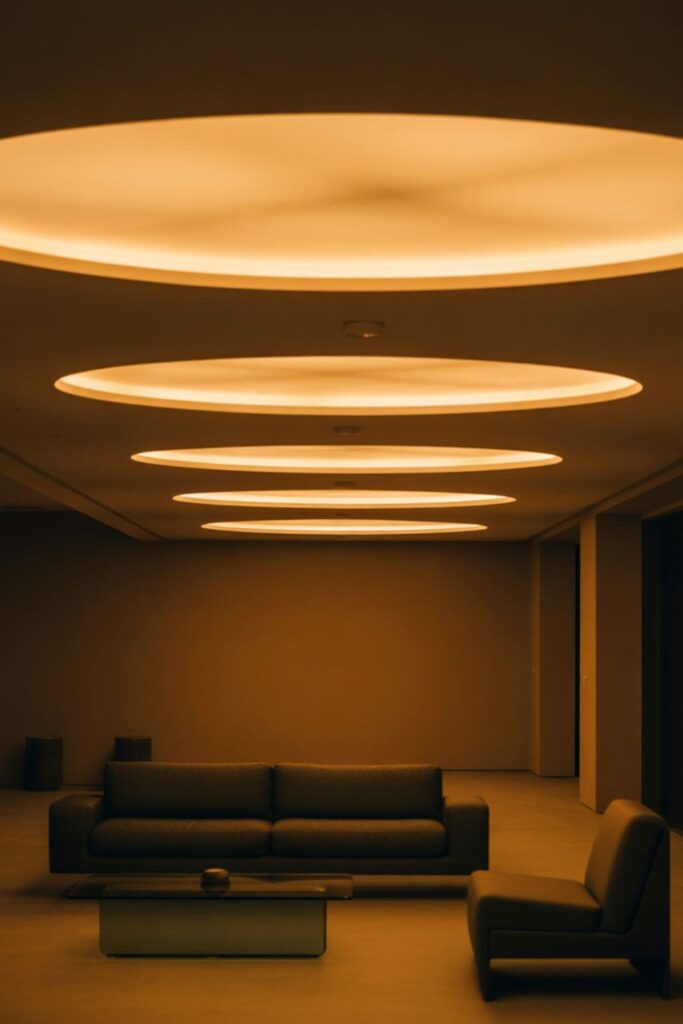
Recessed lights keep the ceiling clean. They work best when spaced properly. Not too close. Not too far apart.
Use them for general lighting. Then rely on lamps for mood. Add dimmers. Always add dimmers.
4. LED Strip Lighting
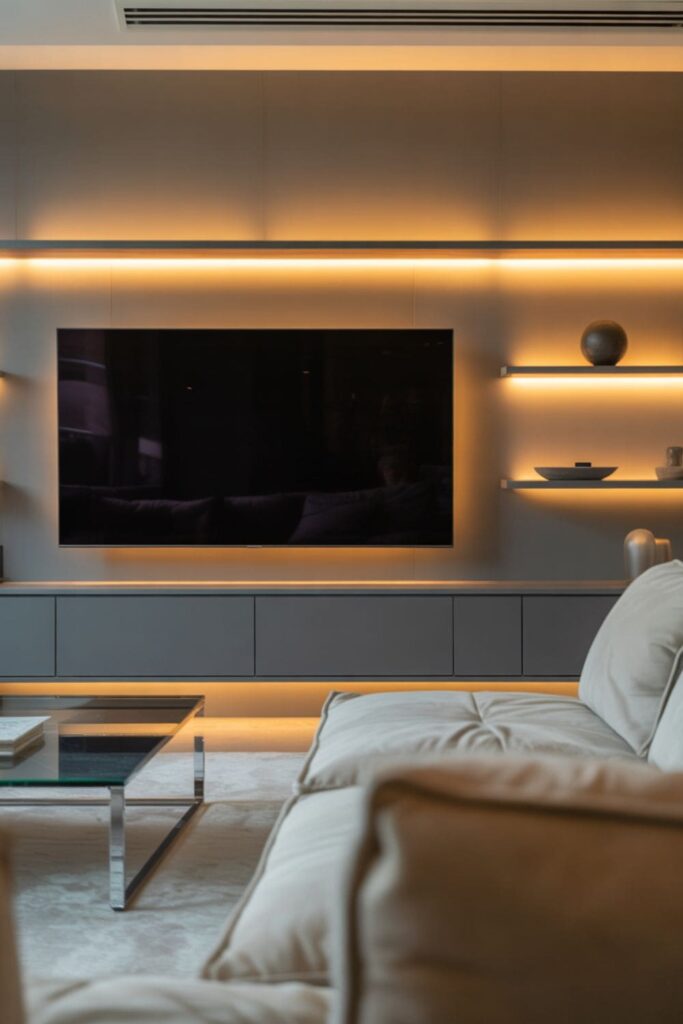
Hidden lighting feels modern. Use LED strips behind a TV unit. Under shelves. Along ceiling coves.
The light is soft. Indirect. Easy on the eyes. It’s best to choose warm white for living rooms. Not blue.
5. Pendant Lights in Corners
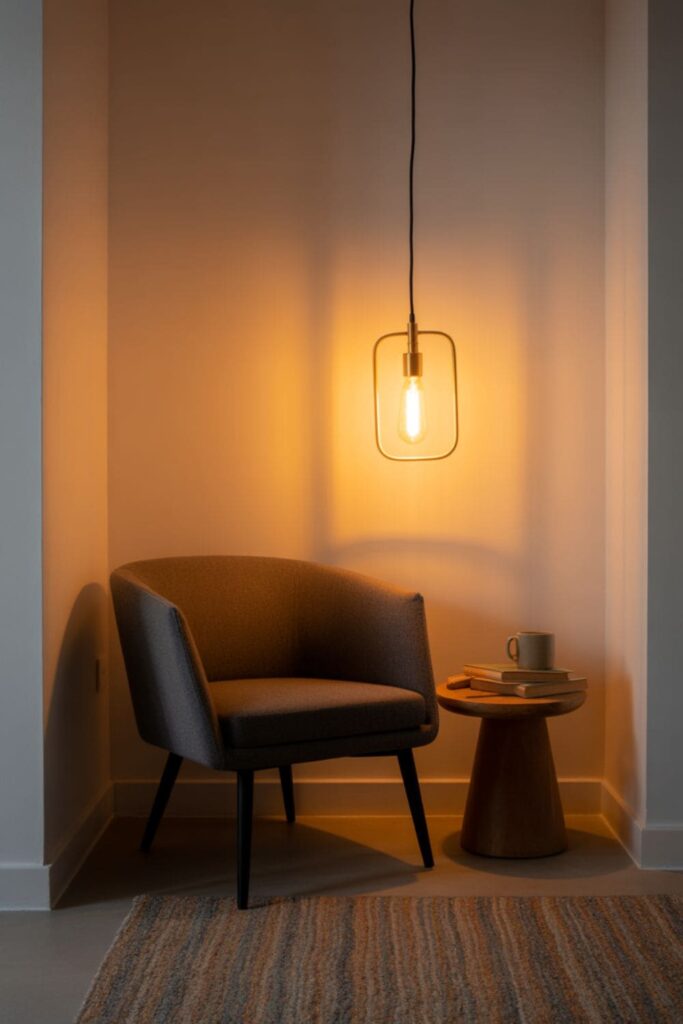
Pendant lights aren’t just for kitchens. A single pendant in a corner can replace a floor lamp. And look better.
Hang it low over a side table or chair. Keep the bulb warm. It feels designed. Not accidental.
6. Oversized Lamps
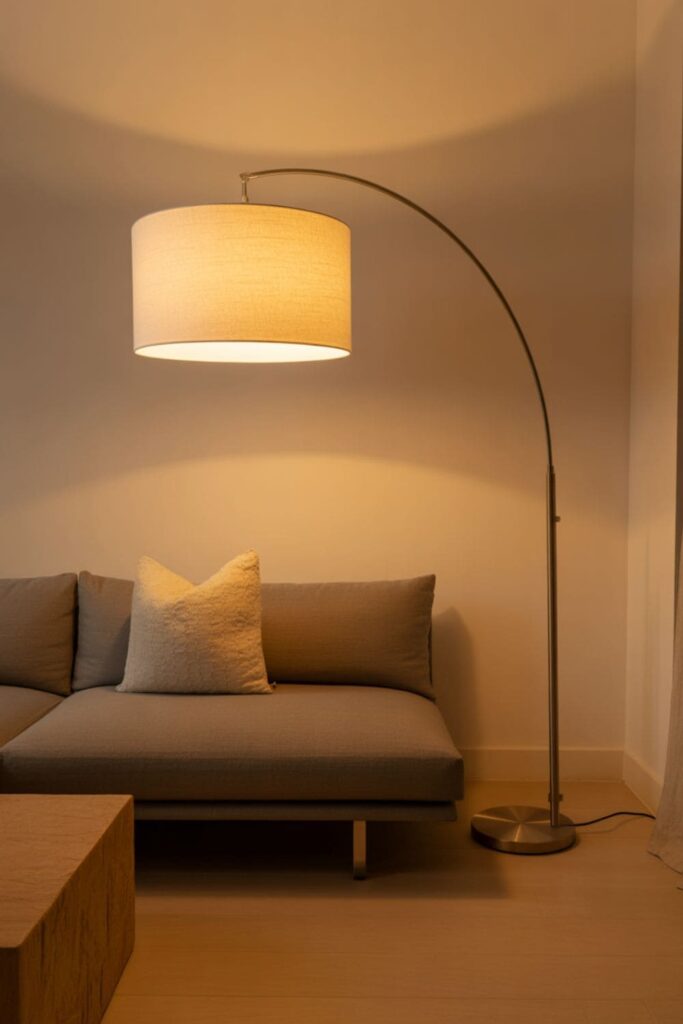
Big lamps make a statement. An oversized base. A large shade. Bold presence.
They work especially well in minimal rooms. One piece does the work of many. Less clutter. More impact.
7. Paper Lantern Lights
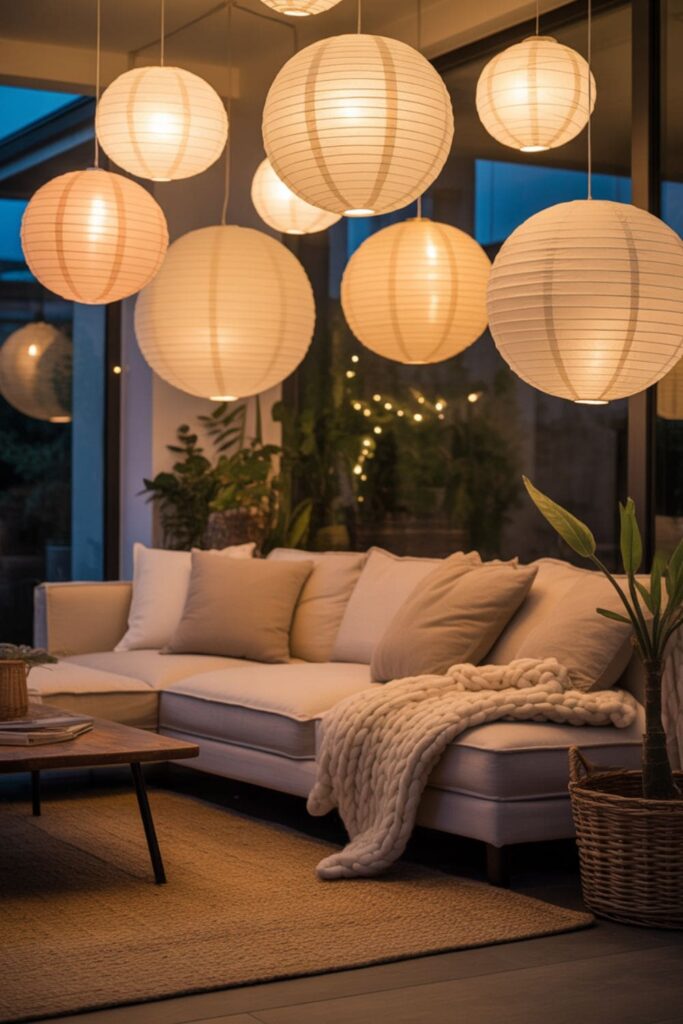
Paper lanterns feel soft and relaxed. They spread light evenly. No harsh glare. No sharp shadows.
Perfect for casual living rooms. Or spaces meant for unwinding. Keep them simple and let the texture do the work.
8. Uplighting Behind Furniture
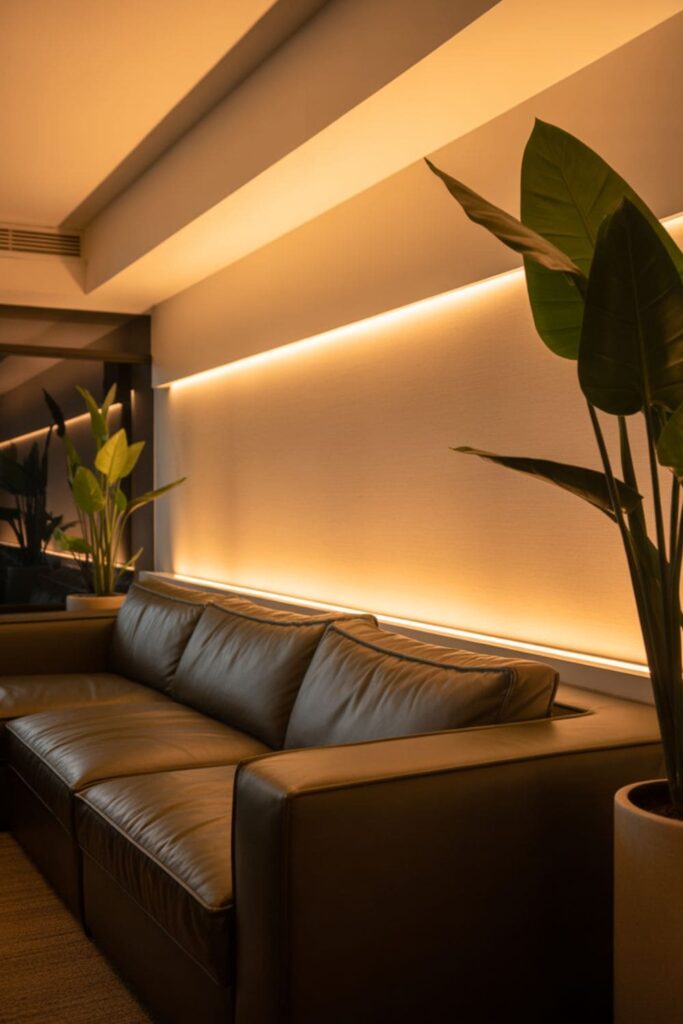
Hidden uplights add quiet drama. You may place them behind sofas, consoles or even large plants.
The light washes upward softly, which makes the room feels deeper and more layered.
9. Lighting That Connects the Room
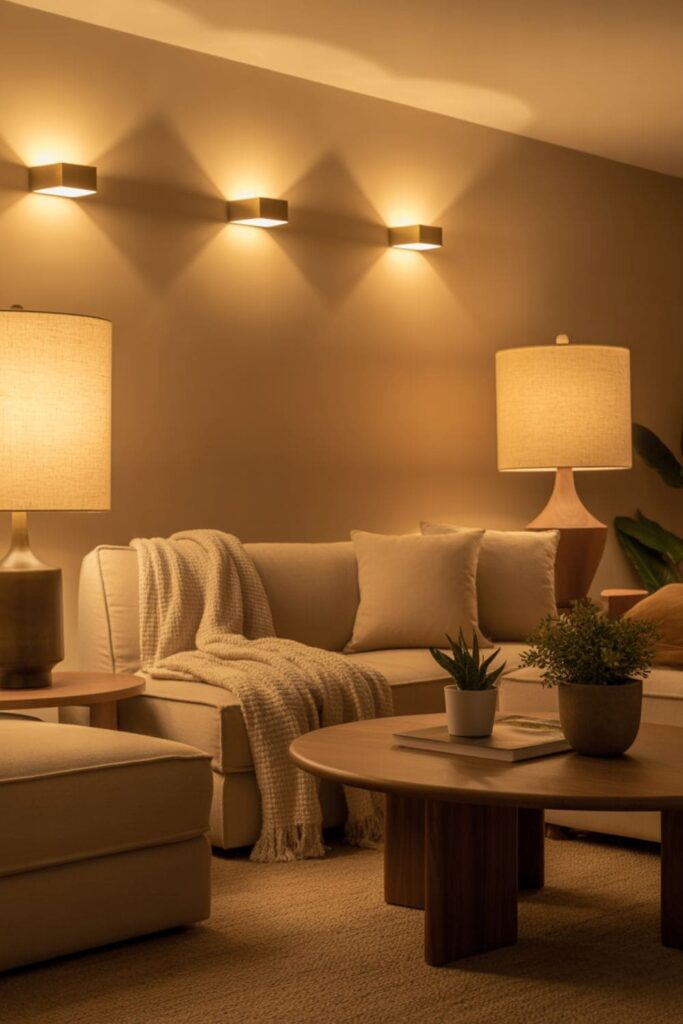
Lighting should feel unified. Different fixtures should feel related, even if they don’t match exactly. Similar tones and warmth help with this.
When lighting feels connected, the room feels calm. Nothing looks random. Everything belongs together.
10. Natural Light Enhancement
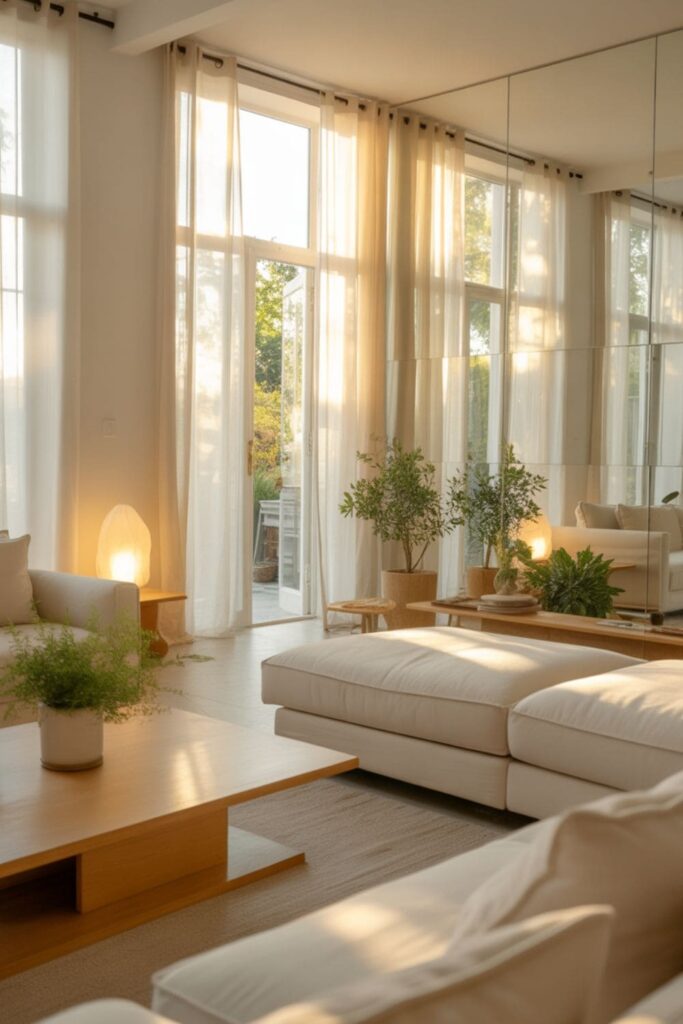
Don’t fight natural light. Work with it. Use sheer curtains during the day. Let light move freely.
At night, match artificial light to the warmth of daylight. This keeps the room feeling natural. Mirrors help too. They bounce light around.
Related: Sheer Curtain Ideas For Your Living Foor For The Perfect Inspo!
11. Sculptural Light Fixtures
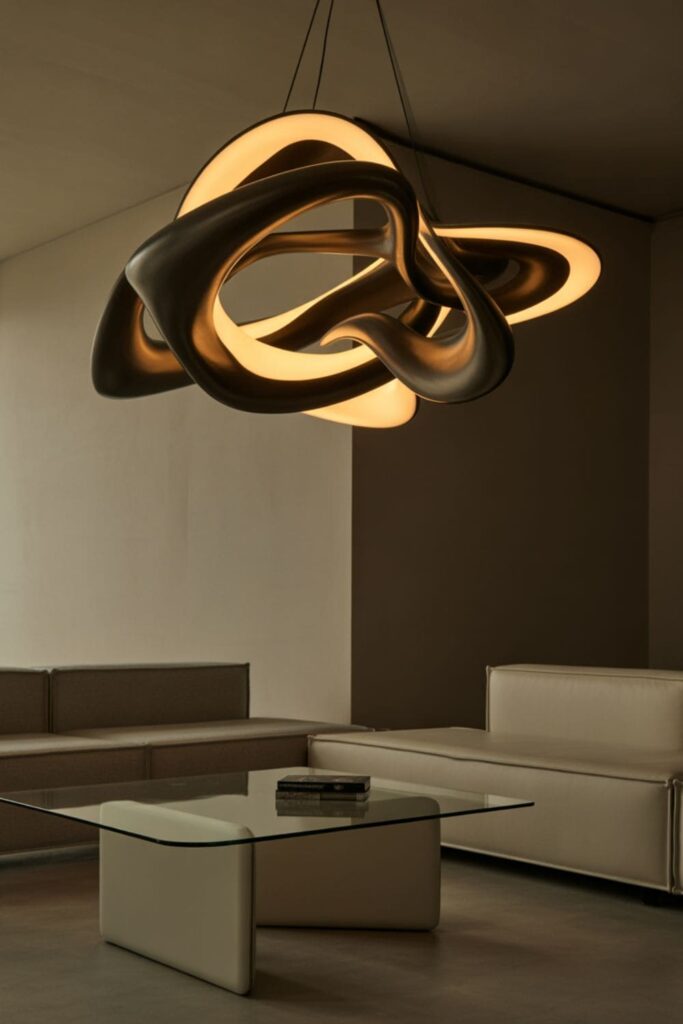
Some lights are art with curved shapes, unexpected forms and bold silhouettes.
You should use one sculptural piece as a focal point and let everything else stay quiet to let the lights shine.
12. Ceiling Cove Lighting
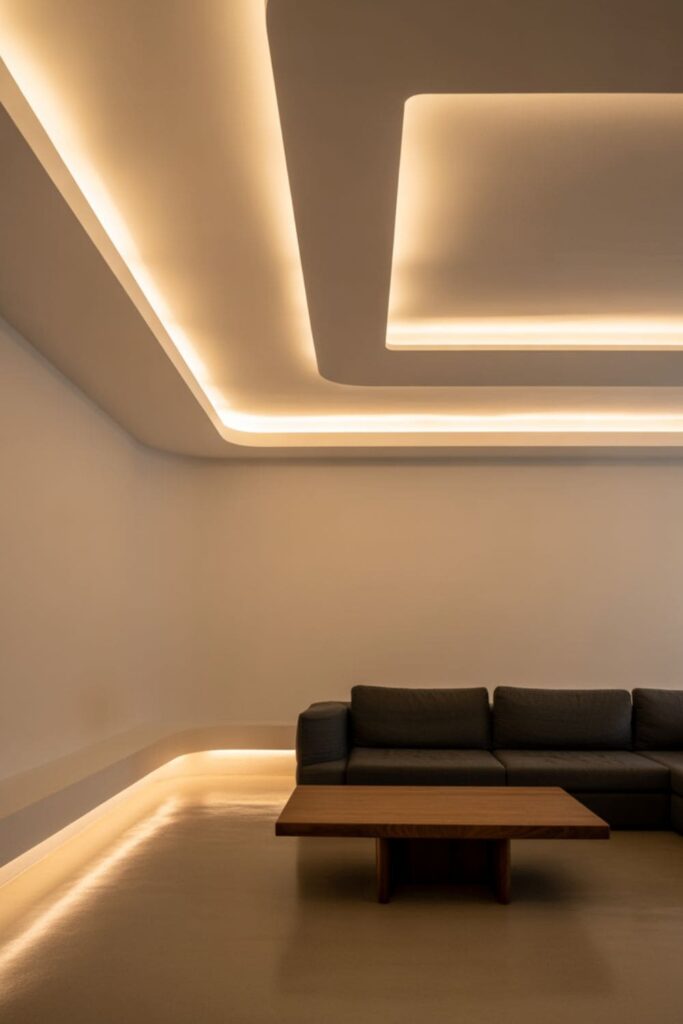
Cove lighting feels luxurious. It hides the source. Shows only the glow.
This is perfect for modern or minimalist living rooms especially if you want soft light.
13. Soft Globe Lighting
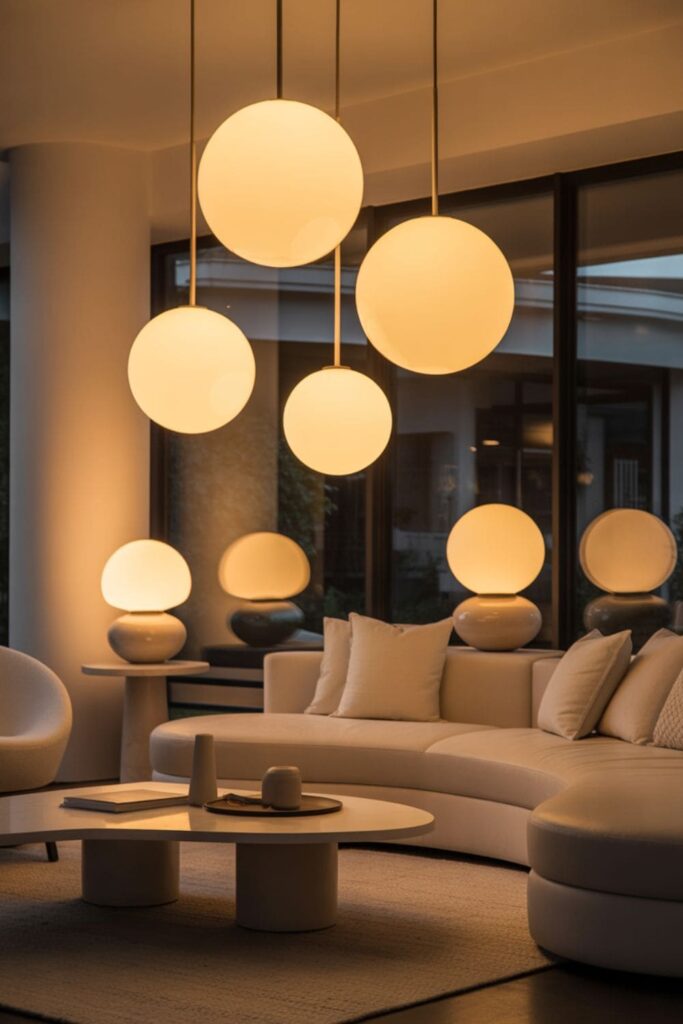
Globe lights bring balance to a living room. Their rounded shape softens sharp lines created by furniture and architecture.
They work especially well in modern spaces that need warmth. When used as pendants or table lamps, they spread light evenly and reduce harsh shadows.
14. Lamps with Double Shades
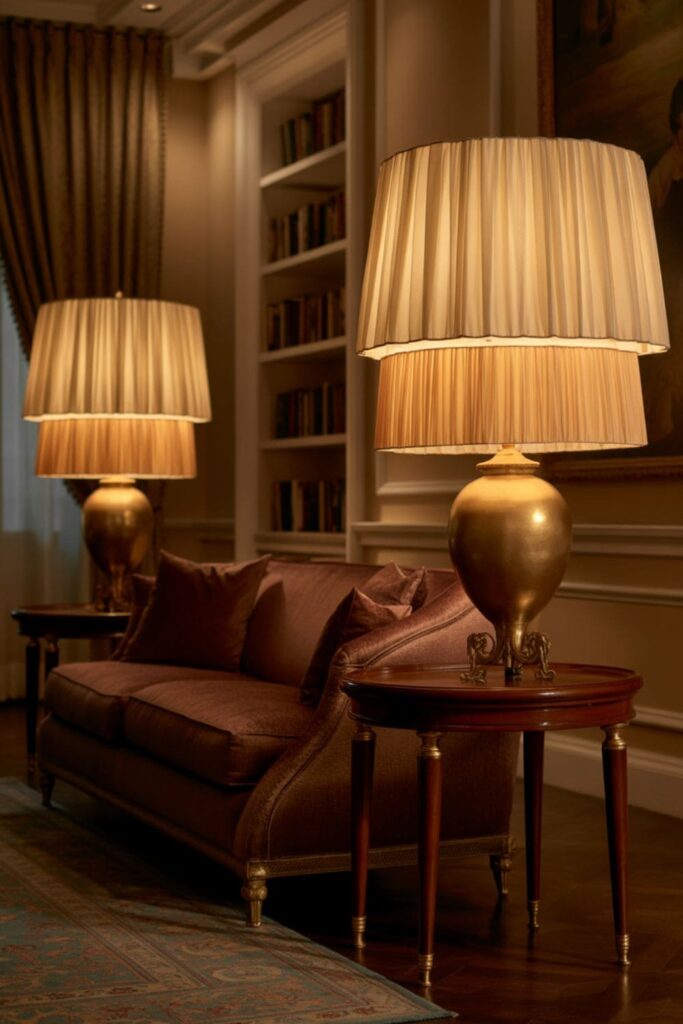
Double-shade lamps create layered light. The inner shade controls brightness. The outer shade softens the glow.
These lamps work well in formal living rooms. They feel detailed without being loud.
16. Soft Lighting Near Entry Points
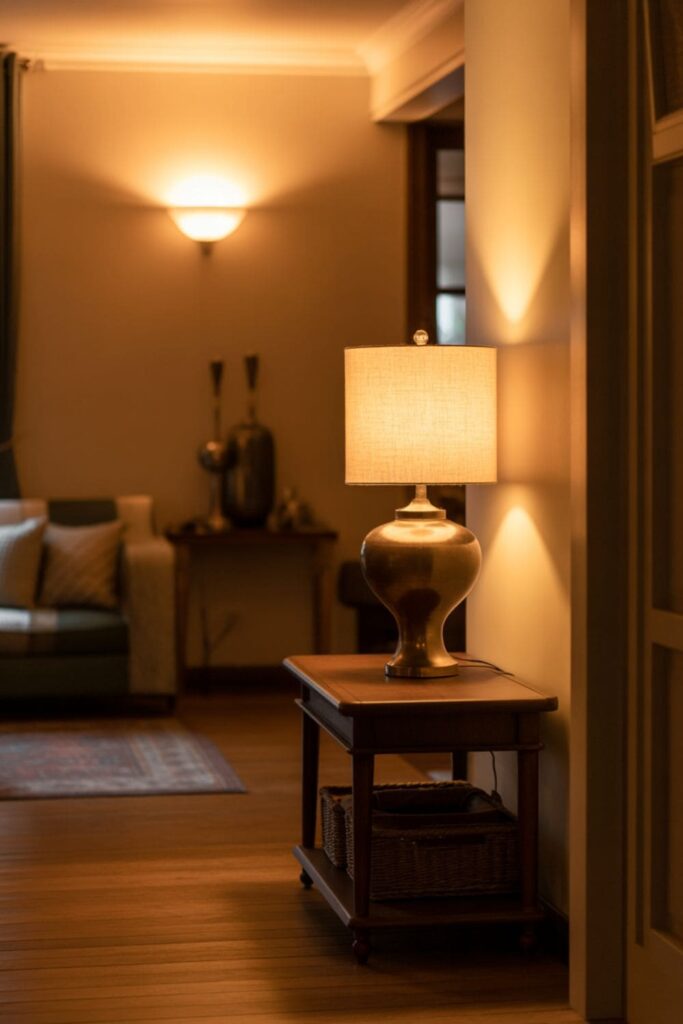
The area where you enter the living room sets the tone. If it’s dark, the whole space feels unwelcoming.
A soft lamp or wall light near the entry creates an immediate sense of comfort. It gently guides the eye into the room.
17. Using Light to Add Depth
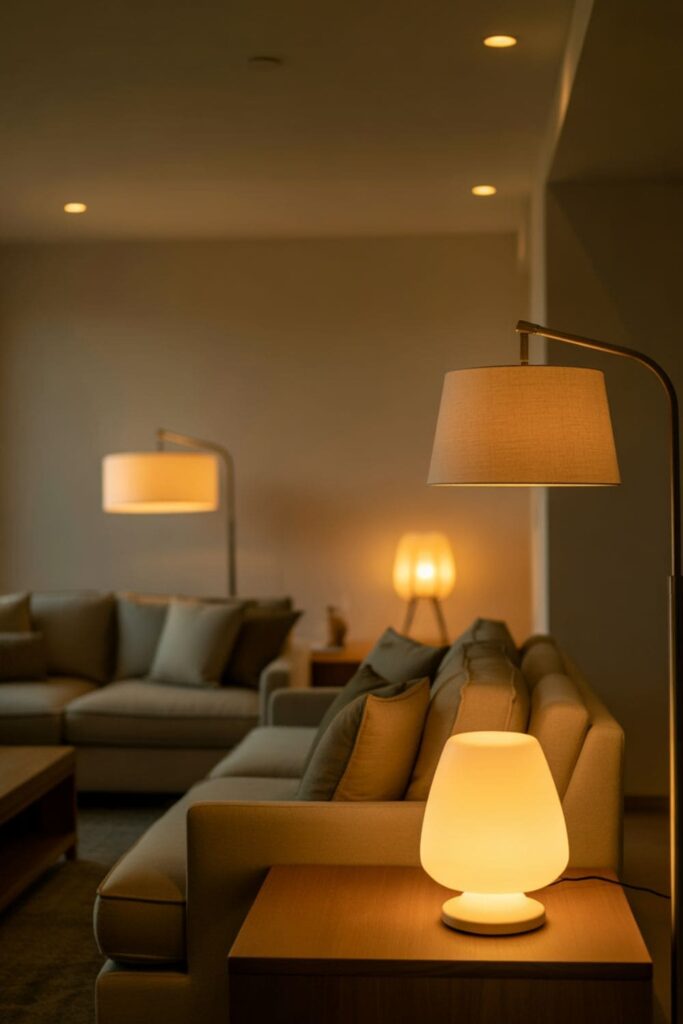
Flat lighting makes rooms feel lifeless. Depth comes from shadows and contrast. Using multiple light sources at different distances creates a layered effect that feels natural.
This doesn’t require expensive fixtures. Even a lamp placed farther back in the room helps.
18. Lighting That Adapts Through the Day
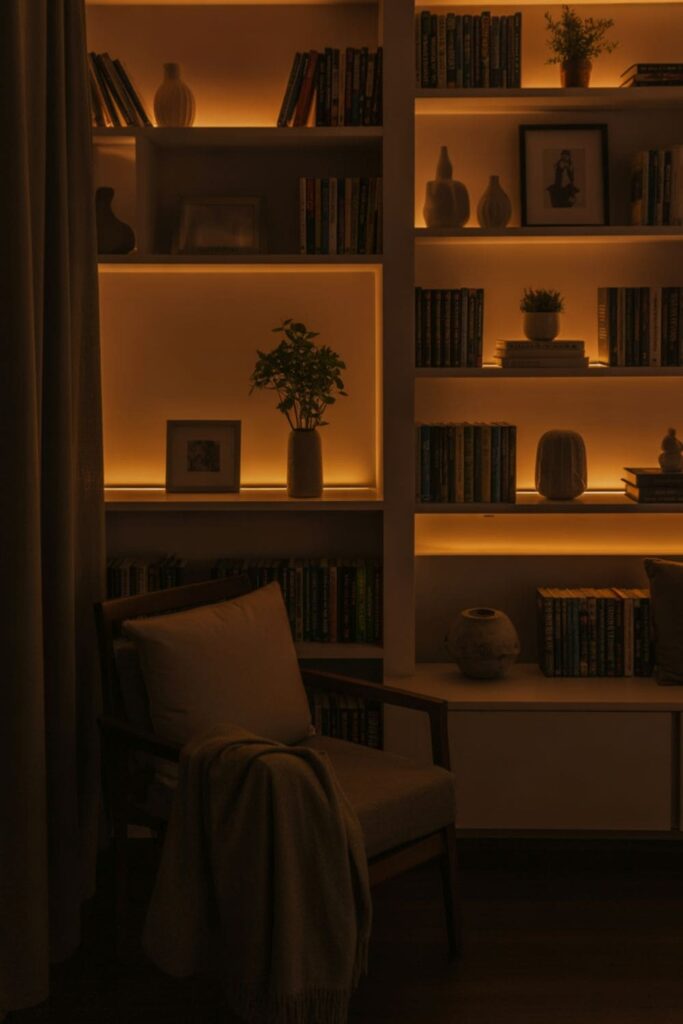
Living rooms are used differently throughout the day. Morning needs brightness. Evening needs softness. Good lighting adapts to both.
This is where layers and dimmers matter. One setup can support many moods. The room stays functional without feeling rigid.
19. Soft Lighting Near Shelving Units
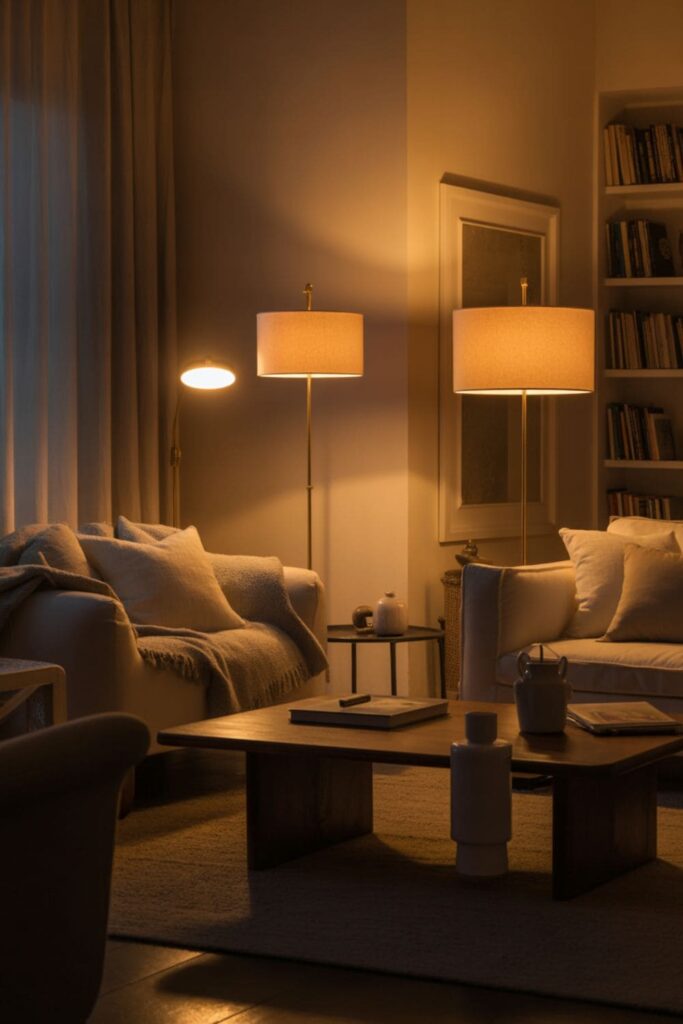
Shelving units often fade into the background at night. Adding soft lighting keeps them visually present. Books and objects gain depth and texture.
This also balances the room. The walls don’t disappear. Everything feels connected, even after dark.
20. Subtle Lighting for TV-Free Moments
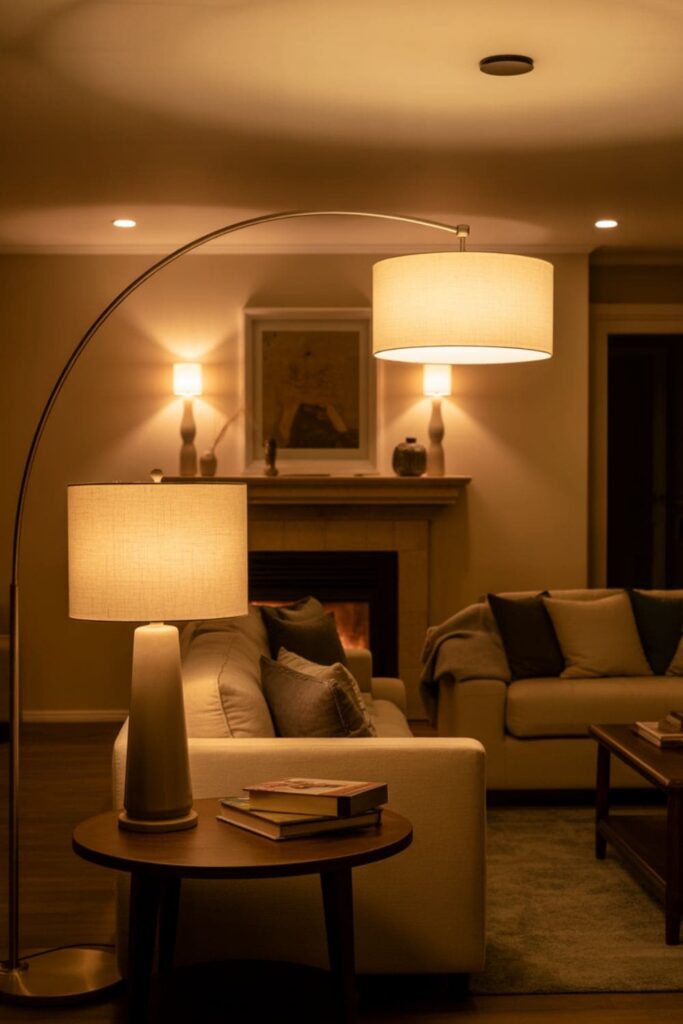
Not every moment in the living room involves screens. Lighting that works without the TV matters. Lamps and accent lights support quiet time.
This makes the room usable in more ways. Reading, talking, or just sitting feels natural and relaxed.
Related: Living Room Ideas WIthout A TV!
Conclusion
Great lighting isn’t about buying more lights. It’s about choosing the right ones. Mix sources. Control brightness. Use warm tones. Let the room breathe.
When lighting is done well, the living room feels right. Comfortable. Inviting. Alive. Start small. Adjust as you go. Light has a way of teaching you what works.

