
A living room is the heart of most homes. It is where families relax, watch movies, talk, and spend time together after a long day.
But when kids are part of the household, the living room becomes much more than a place to sit. It becomes a play zone.
Below are 20 living room ideas for families with kids. Each one focuses on smart design choices that make everyday family life easier.
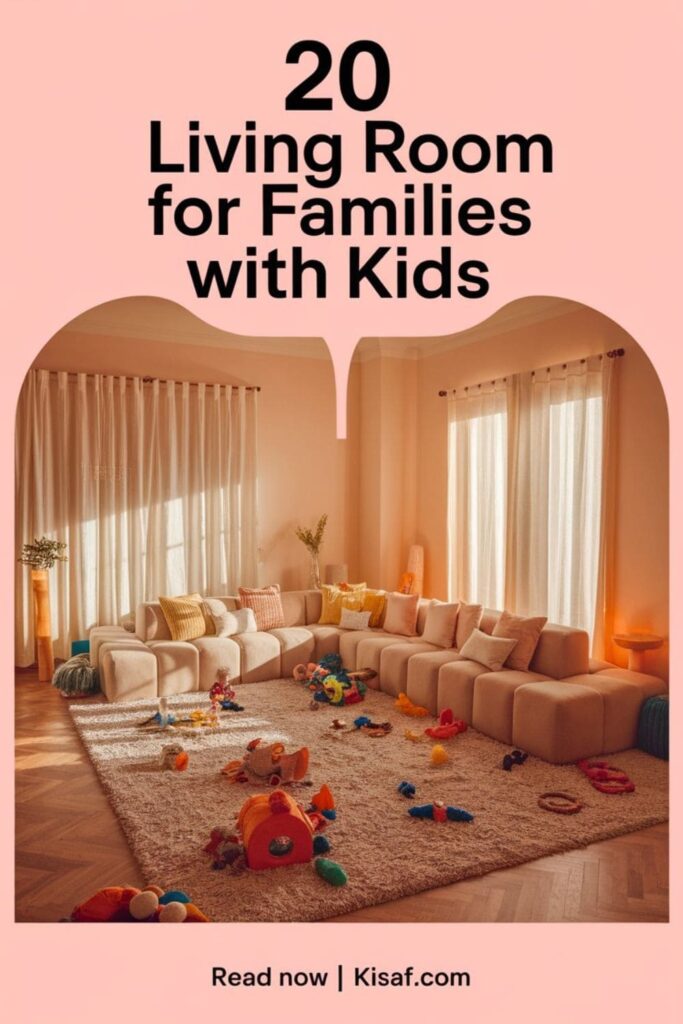
20 Living Room Ideas for Families With Kids
1. Choose Durable Furniture
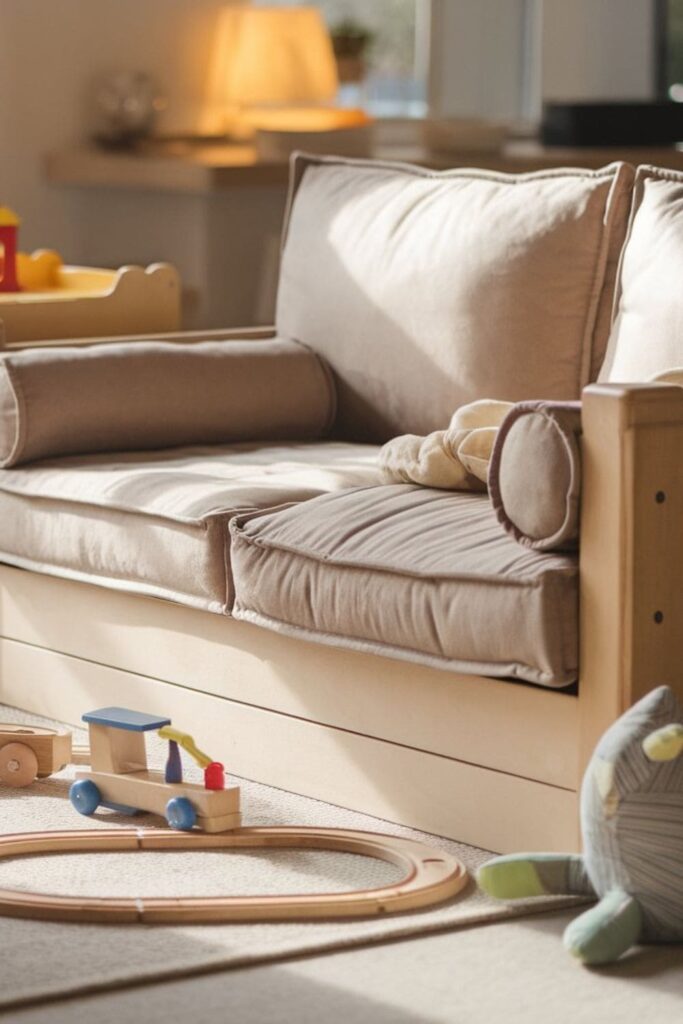
Kids are naturally active. They jump, climb, spill drinks, and sometimes treat the couch like a trampoline.
That is why durable furniture is essential in a family living room. Look for sofas with sturdy frames and strong upholstery.
Fabrics like microfiber, leather, or performance fabric are good choices because they resist stains and wear.
2. Add Soft Area Rugs
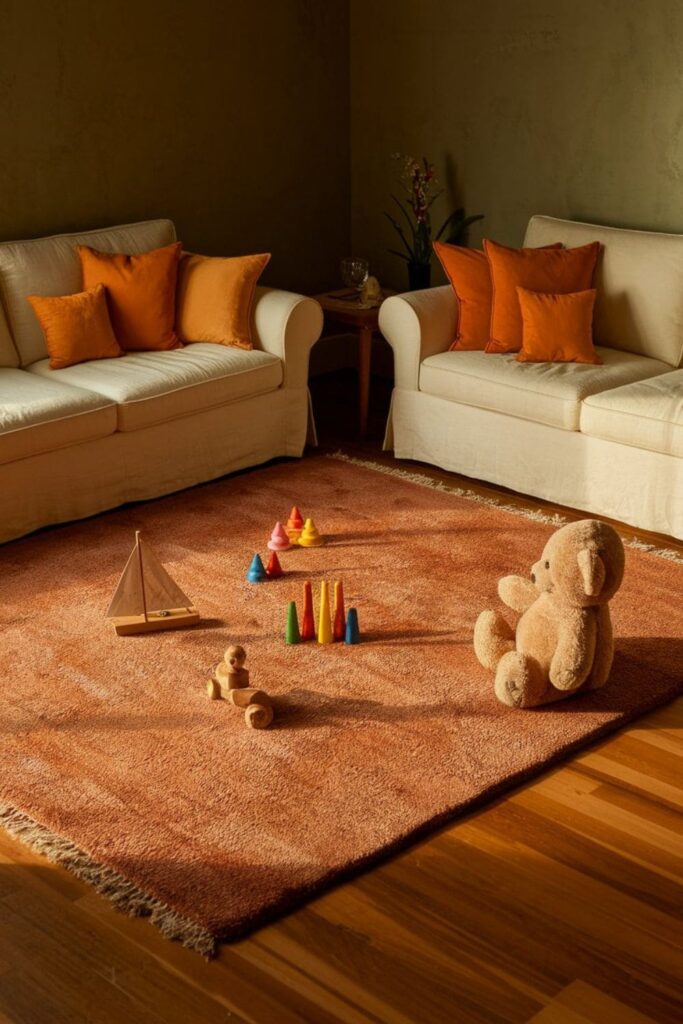
Hard floors are common in modern homes. Wood, tile, and laminate look great and are easy to clean.
However, they can be uncomfortable for children who like to sit and play on the floor.
A large area rug solves this problem instantly. It creates a soft and cozy play surface.
Rugs also help absorb noise. That matters when kids are running around or playing with toys.
3. Use Rounded Furniture Edges
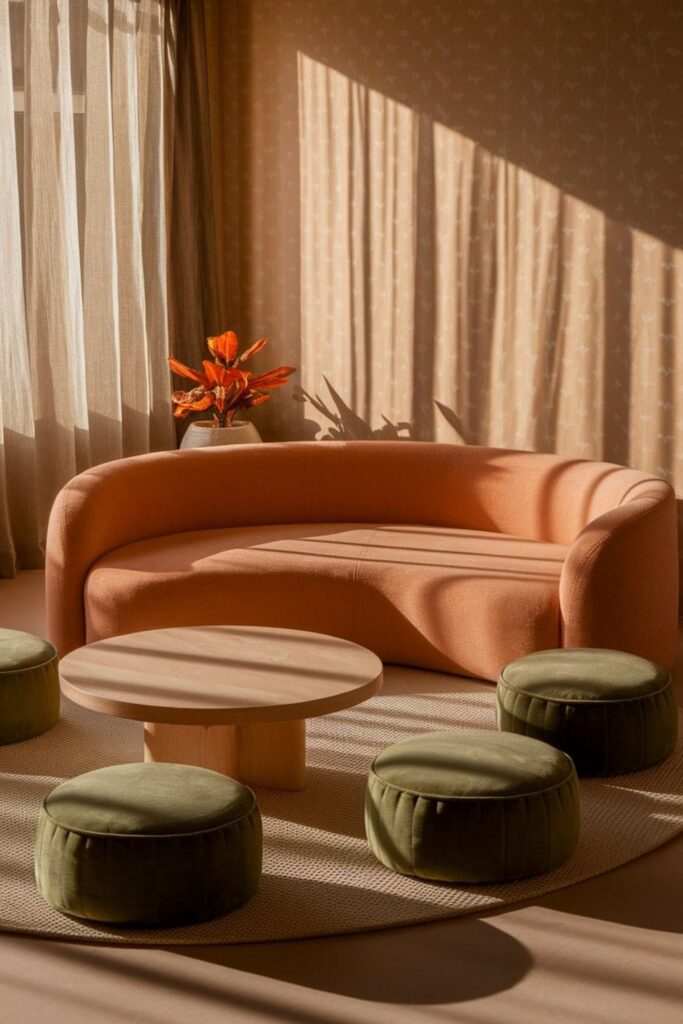
Safety is extremely important in homes with young children.
Sharp furniture corners can cause injuries during playtime. Kids run fast. They trip. They fall.
Choosing furniture with rounded edges reduces the risk of accidents.
Round coffee tables, soft ottomans, and curved sofas are excellent choices.
4. Add Smart Storage Solutions
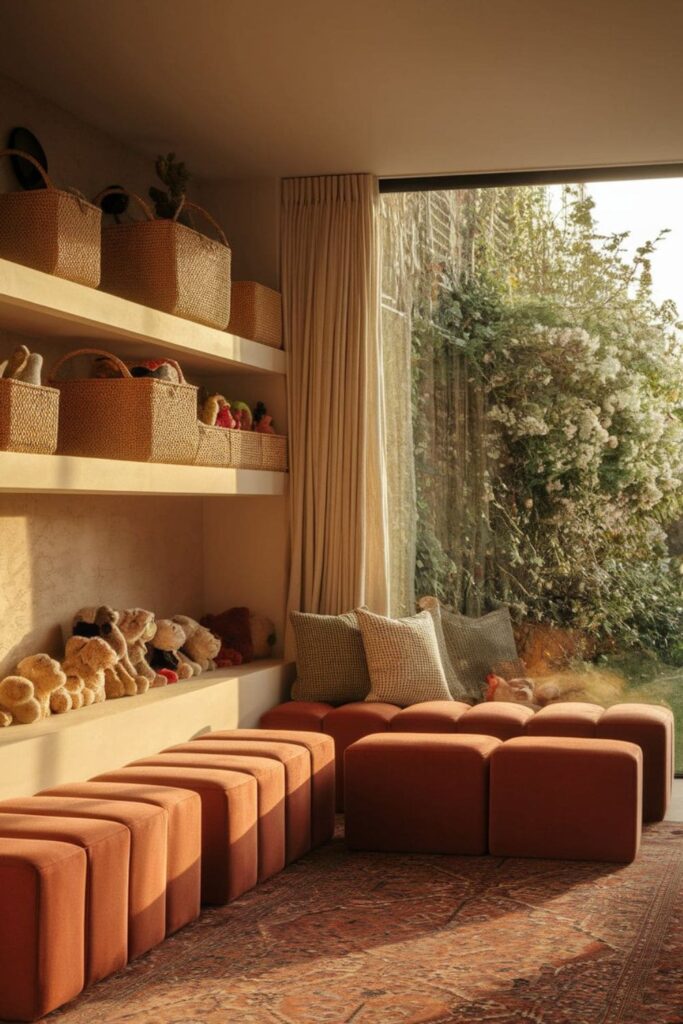
Families with kids always have extra items around. Toys. Books. Games. Blankets.
Without storage, the living room can become messy very quickly.
That is why smart storage is essential. Look for furniture that also stores items.
5. Use Comfortable Sectional Sofas
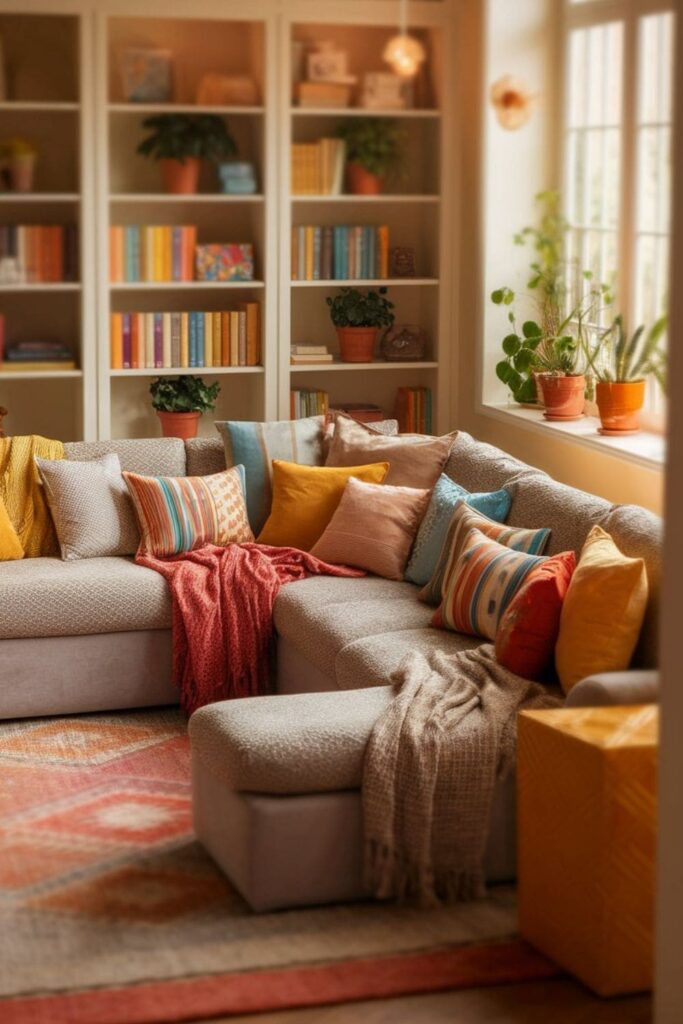
Sectional sofas are perfect for family living rooms.
They provide plenty of seating for parents, kids, and guests. Everyone can stretch out and relax.
Movie nights become much more comfortable with a large sectional. Kids can cuddle up with blankets and pillows.
Another advantage is flexibility. Many sectionals can be rearranged depending on the room layout.
6. Create a Cozy Reading Nook
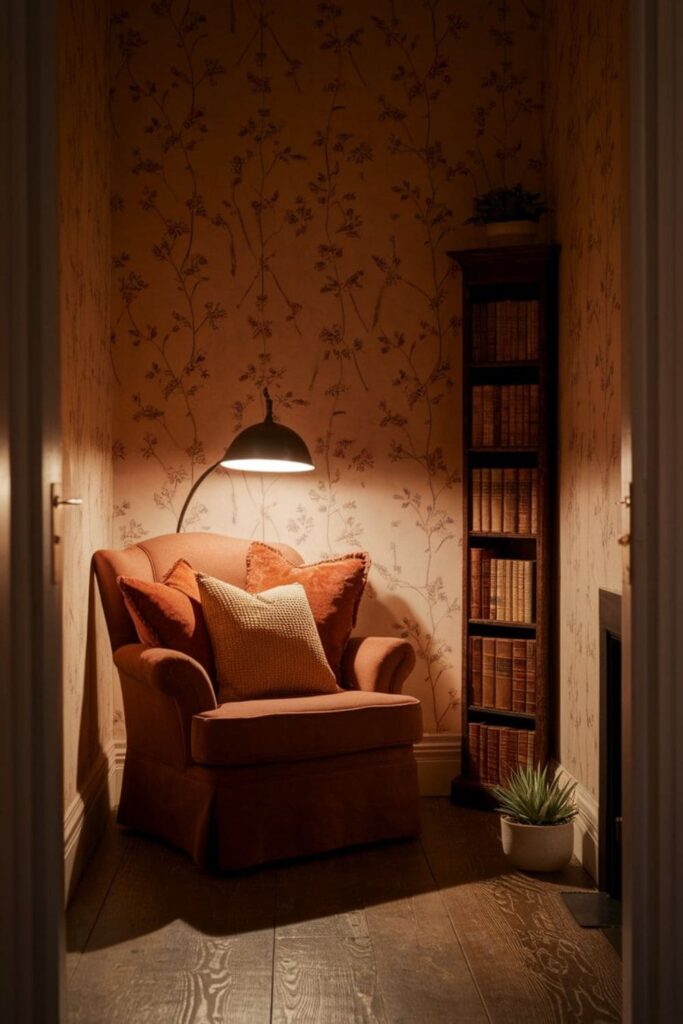
Reading is an important habit for children.
A small reading nook in the living room can encourage this habit. It does not need much space.
A comfortable chair, soft lighting, and a small bookshelf are enough.
Add a blanket and a few cushions. Suddenly the space feels warm and inviting.
7. Add Family-Friendly Lighting
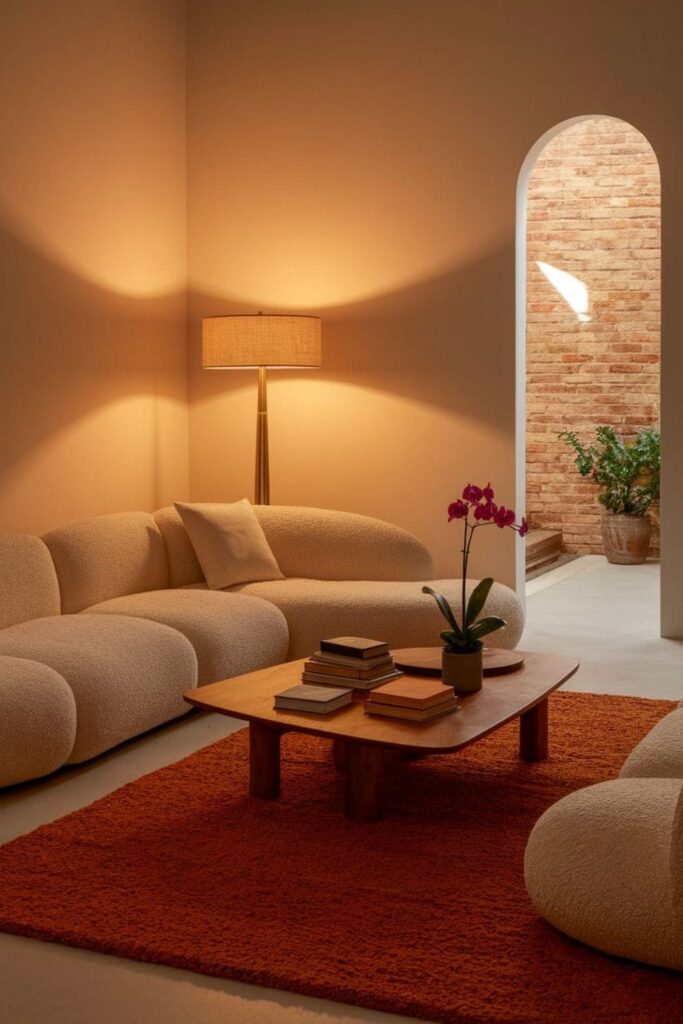
Lighting is often overlooked in living room design.
For families, it is especially important. The room needs to work for many activities.
Watching TV. Playing games. Reading books. Doing homework.
Layered lighting works best.
8. Keep the Layout Open and Flexible
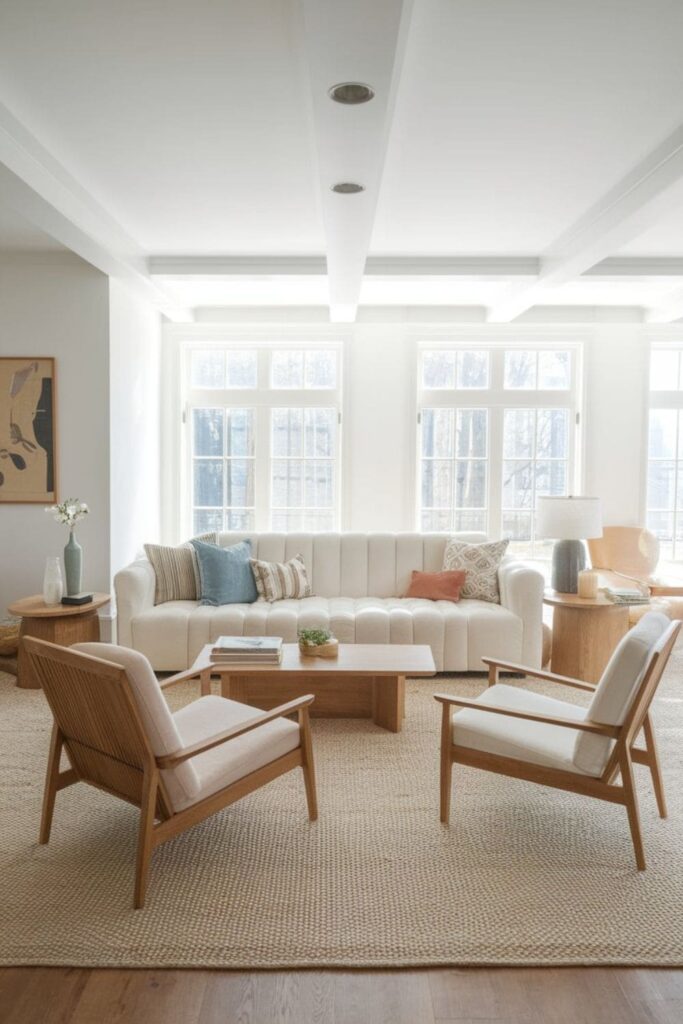
Finally, think about the layout.
Families move around a lot in the living room. Kids run. Parents walk through the space. Toys get spread out.
An open layout works best.
Avoid blocking pathways with too much furniture. Leave enough room for movement.
9. Use Kid-Friendly Fabrics
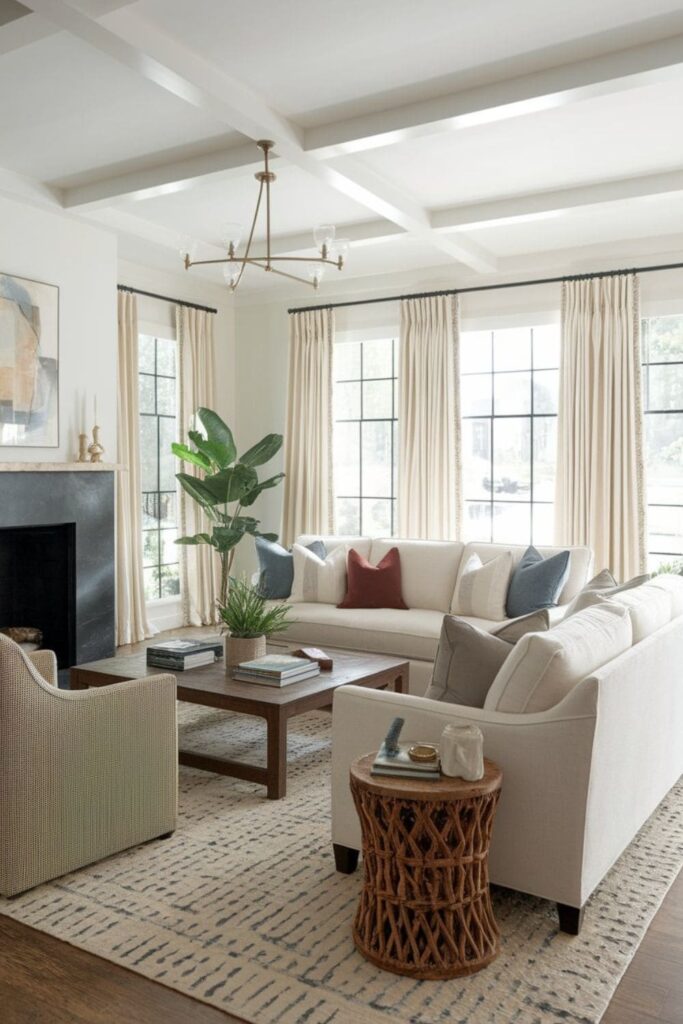
Not all fabrics are created equal.
Families with children should look for materials that are stain resistant and durable.
Performance fabrics are becoming very popular for this reason. They resist spills and are easier to clean.
Microfiber is another great choice. It feels soft but holds up well over time.
10. Add a Chalkboard or Activity Wall
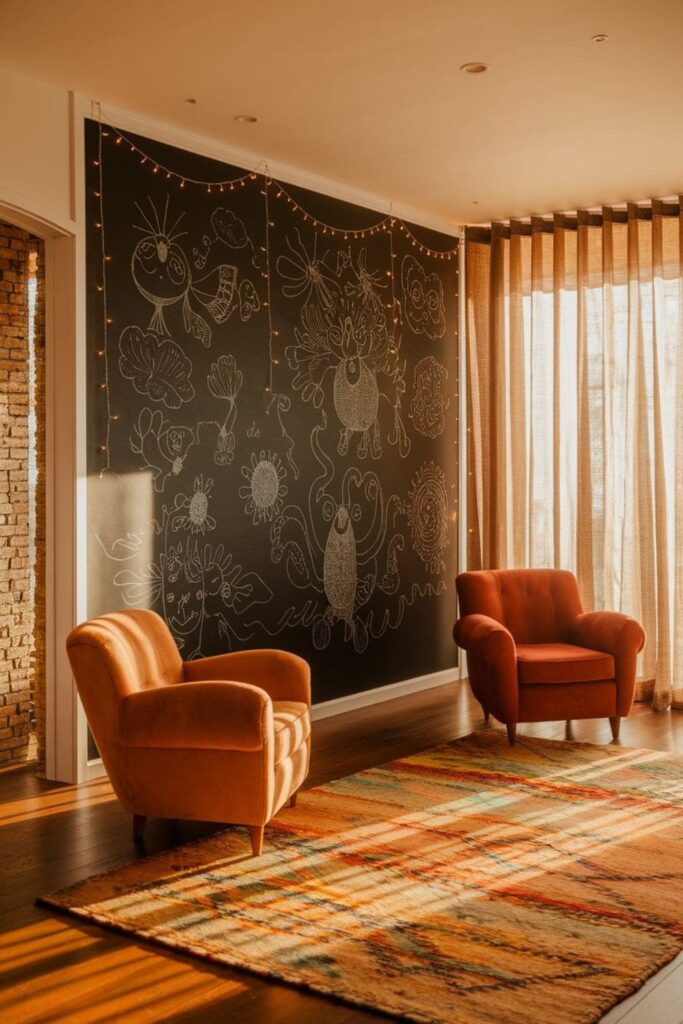
Kids love having a place where they can draw freely.
A chalkboard wall or activity wall can be a fun addition to the living room.
It gives children a creative outlet while keeping their drawings contained in one area.
Some families install a small chalkboard panel. Others paint a section of the wall with chalkboard paint.
11. Add a Big Cozy Blanket Basket
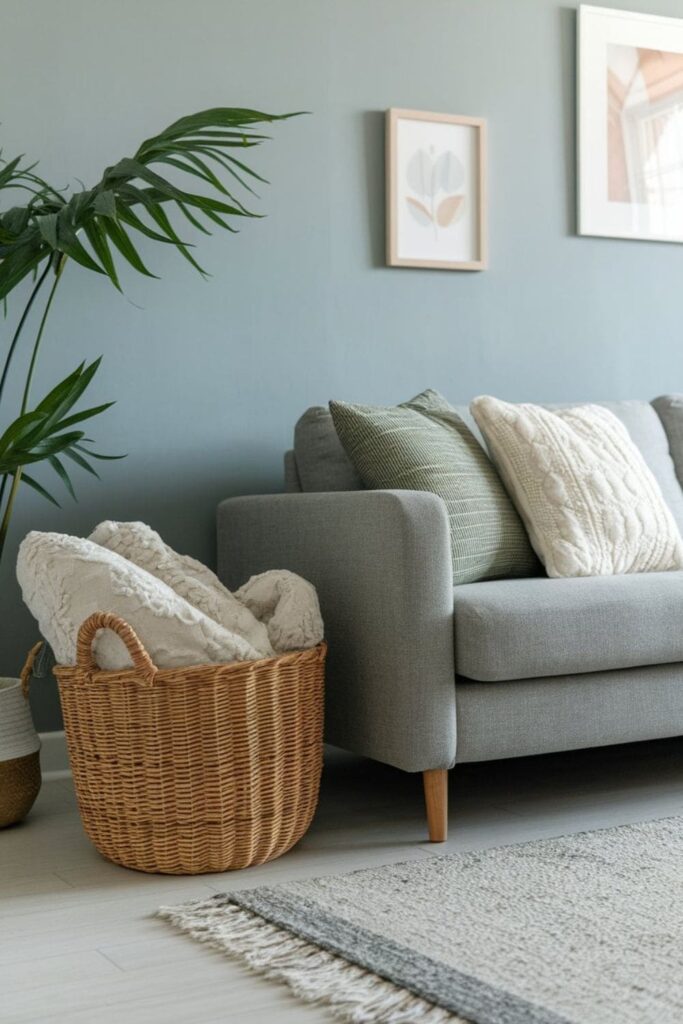
Blankets bring comfort to any living room.
But in a family home, they also serve many purposes. Kids use them to build forts.
Parents grab them during movie night. Guests use them on chilly evenings.
A large basket filled with soft blankets keeps them organized and easy to grab.
Related: Living Room Ideas With Accent Walls
12. Keep a Clear Path for Movement
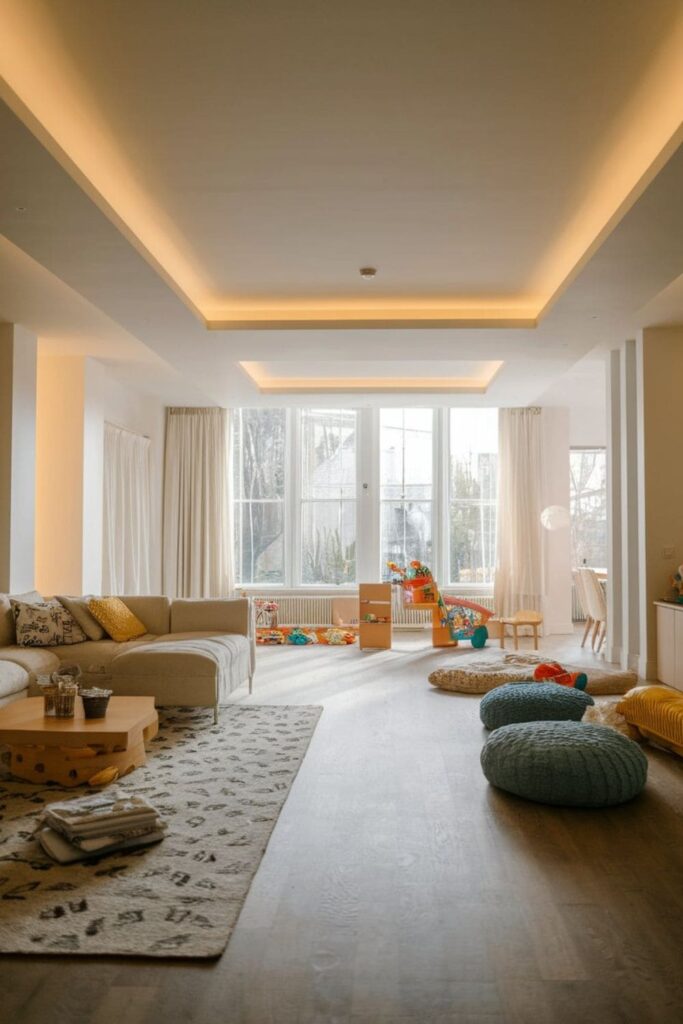
Kids move fast.
They run from room to room, chase each other during games, and sometimes forget to slow down. Because of this, clear walkways are very important in a family living room.
Furniture should not block major paths through the room.
13. Add a Small Craft Station
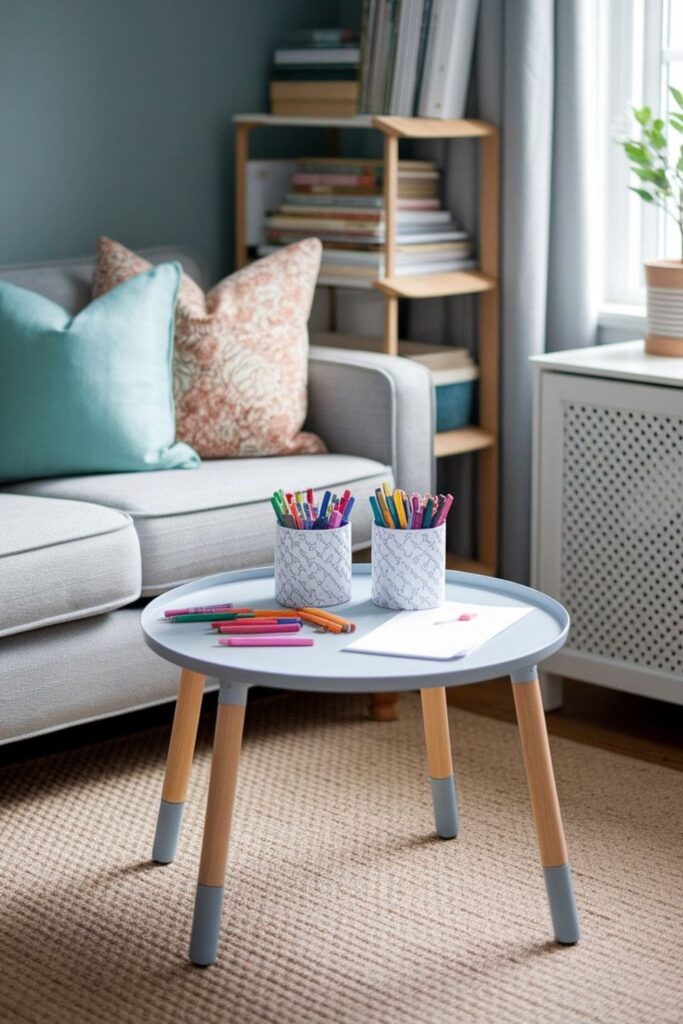
Creative activities are a big part of childhood.
A small craft station in the living room can encourage creativity while keeping supplies organized. It does not need to be large.
A small table, a few containers for markers and crayons, and a drawer for paper are enough.
14. Use Baskets for Quick Cleanup
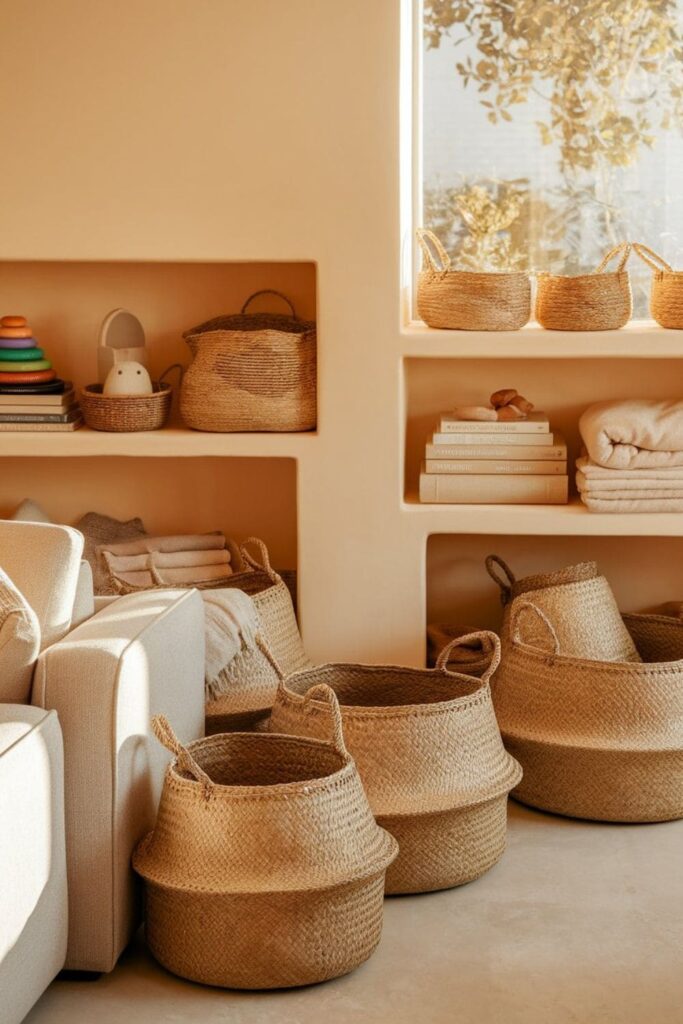
Messy living rooms happen quickly in homes with children.
Baskets make cleaning up faster and easier. When playtime ends, toys can be tossed into baskets within seconds.
Place a few baskets near seating areas or shelves. They can hold toys, books, or small blankets.
Choose baskets that match the room’s decor so they blend in naturally.
15. Add Floor Seating Options
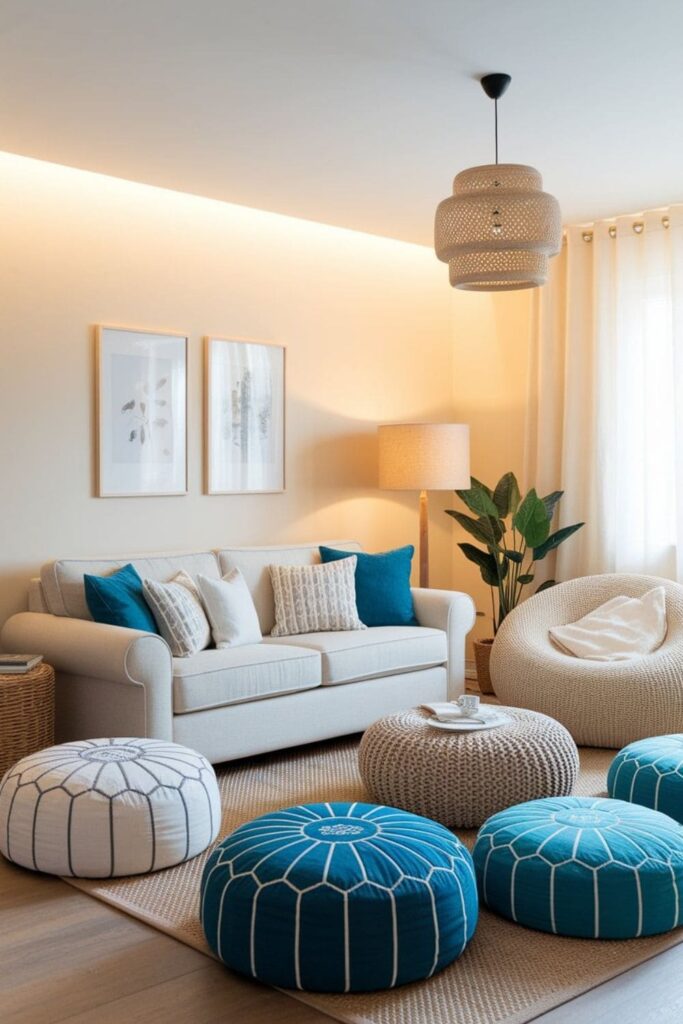
Children love sitting on the floor.
Adding floor seating makes the living room more comfortable for them. This can include large floor cushions, poufs, or soft bean bags.
These pieces are lightweight and easy to move around.
16. Add a Wall-Mounted TV at Safe Height
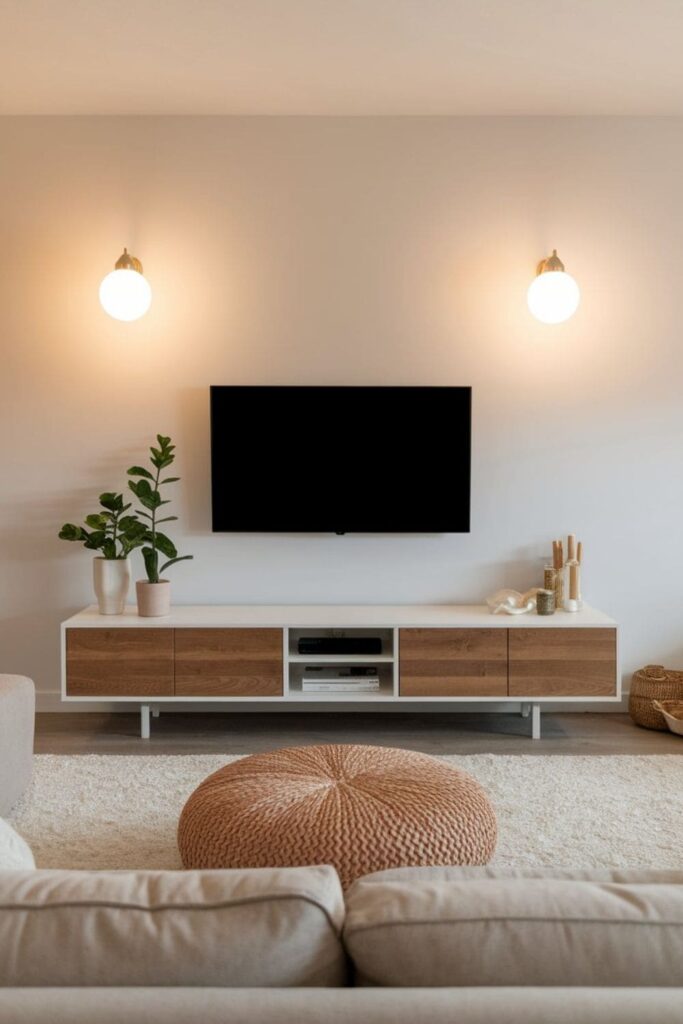
Mount the TV slightly higher on the wall.
This keeps it out of kids’ reach and protects it from accidental spills or bumps.
A simple media console below can store devices and accessories neatly. Safety and practicality in one design.
17. Include a Snack Station
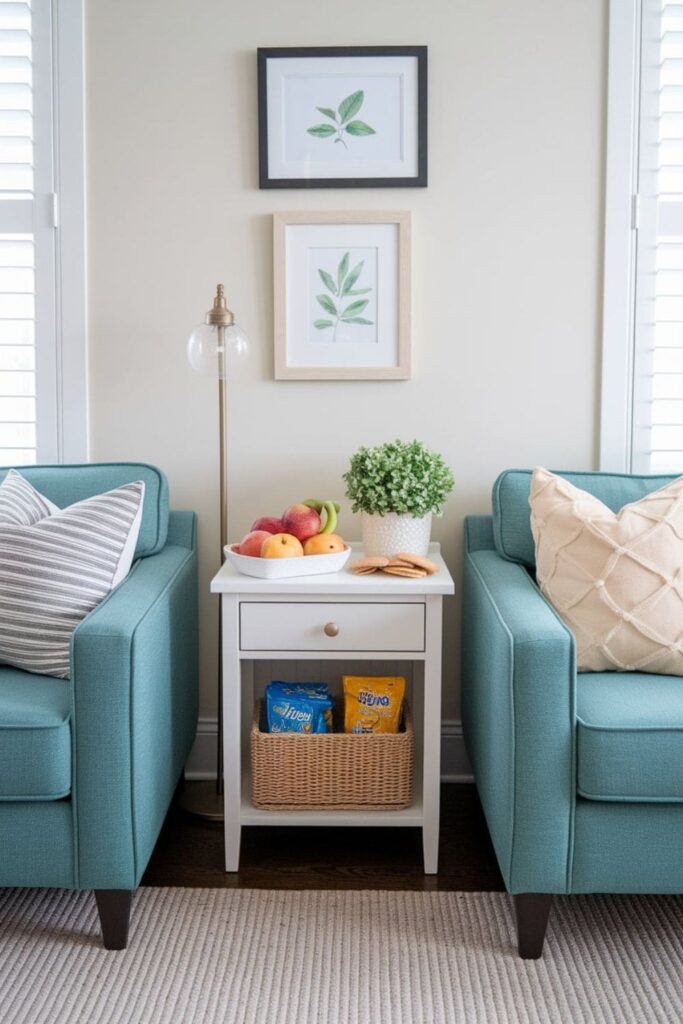
Families often spend time eating in the living room.
A small side table or cabinet stocked with healthy snacks is convenient. Kids can grab fruit, crackers, or juice without bothering parents constantly.
It keeps the space organized and reduces spills on main furniture.
18. Add Bright Accent Chairs
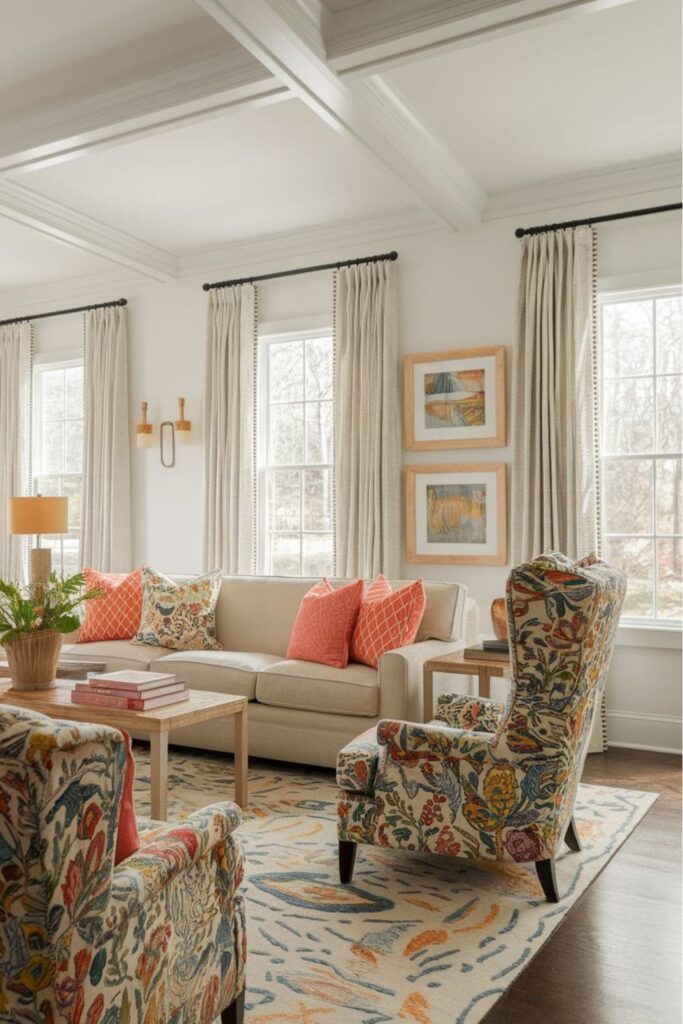
Kids love colorful furniture.
Accent chairs in bold colors make the room fun and inviting. They can also be moved around easily for movie nights, homework sessions, or playtime.
Even adults appreciate a pop of color to lift the mood of the room.
19. Incorporate a Mini Desk
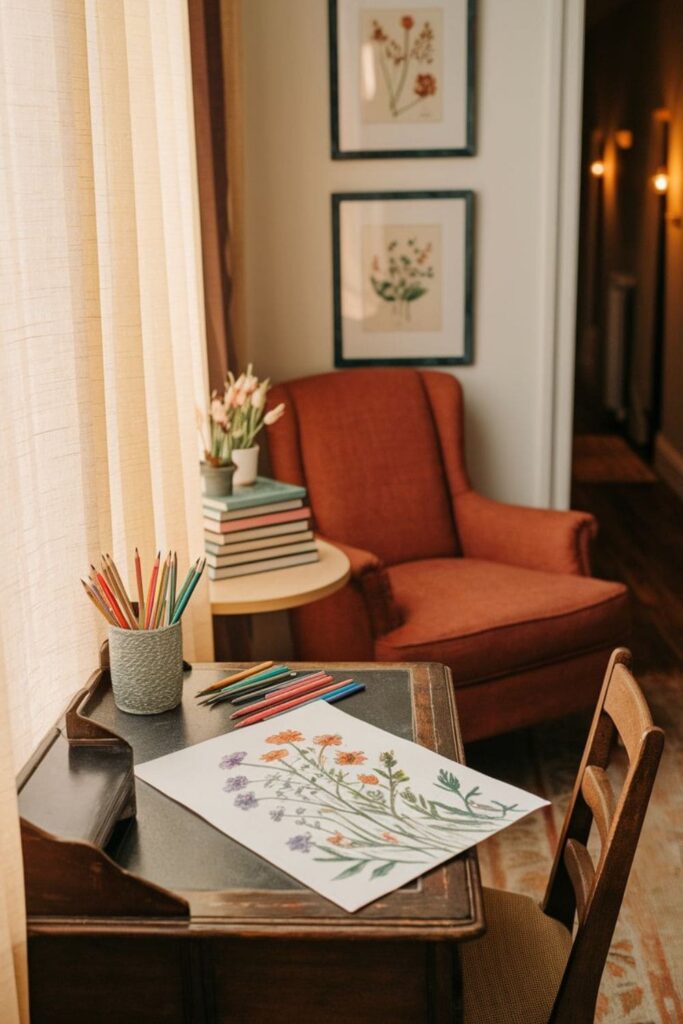
Homework and art projects often spill into the living room.
A small, dedicated desk ensures children have a workspace without cluttering the main area.
It encourages focus and keeps supplies organized. Parents can supervise easily while staying comfortable.
20. Layer Textures for Warmth
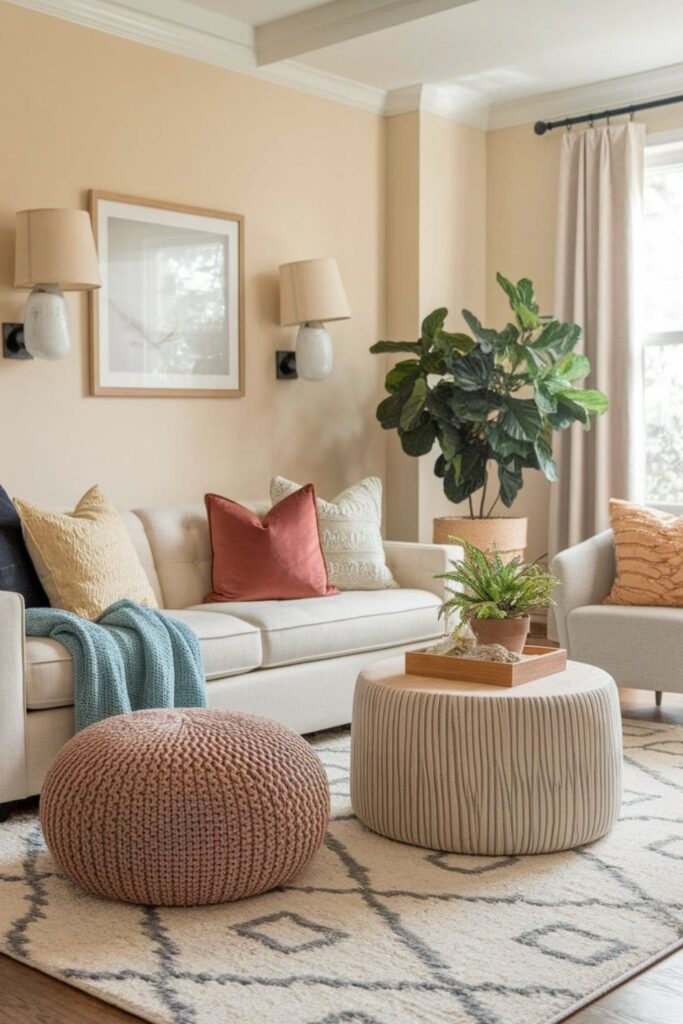
Mixing textures makes a living room cozy and inviting.
Soft rugs, knitted throws, and velvet pillows add warmth.
Children enjoy tactile experiences. Adults enjoy the style. Layered textures create a balanced, welcoming atmosphere.
Related: Living Room With Seating Beyond Sofa
Conclusion
Creating a living room that works for families with kids is not about perfection. It is about practicality, comfort, and warmth.
Simple choices like durable fabrics, smart storage, soft seating, and open layouts can transform the way the room functions.
Adding playful elements, creative spaces, and family touches makes the space feel truly lived in.

