
Minimalism isn’t about having less just for the sake of it.
It’s about having what matters. Nothing more.
A minimalist living room feels calm the moment you step inside. The air feels lighter. Surfaces feel intentional.
Below are 20 minimalist living room ideas. Simple shifts. Smart edits. Practical tips you can use today.
20 Minimalist Living Room Ideas
1. Choose One Statement Sofa
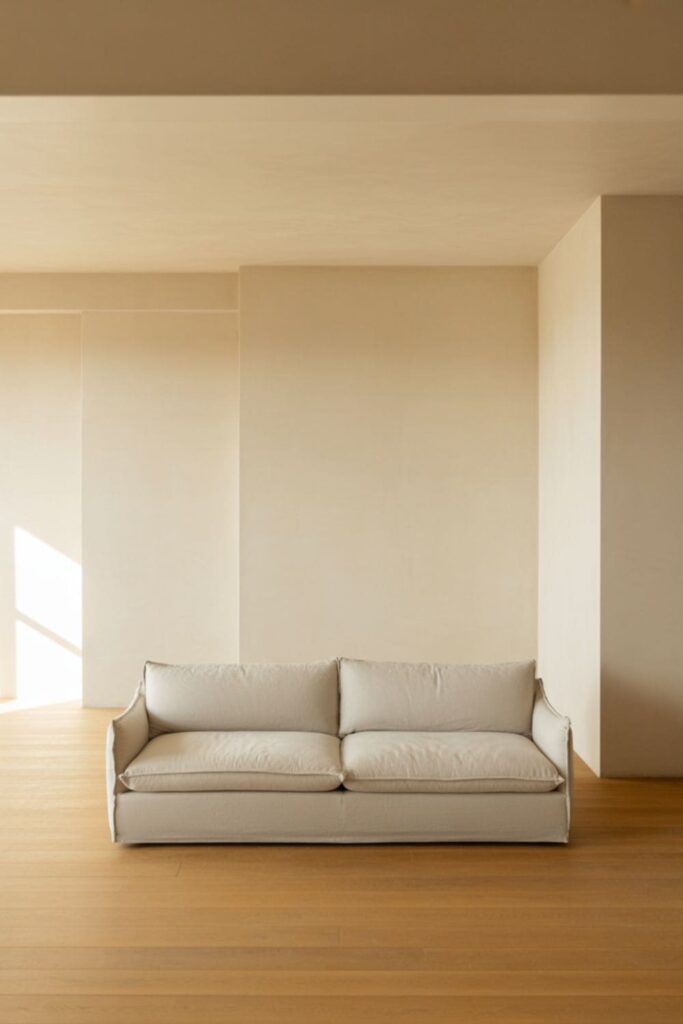
Minimalism doesn’t mean uncomfortable. It means intentional.
Pick one sofa that anchors the room. Clean lines, simple silhouette, no busy patterns.
Let it be the main character; everything else should support it, not compete.
A low-profile sofa visually lowers the room and creates breathing space above.
2. Limit the Coffee Table Decor
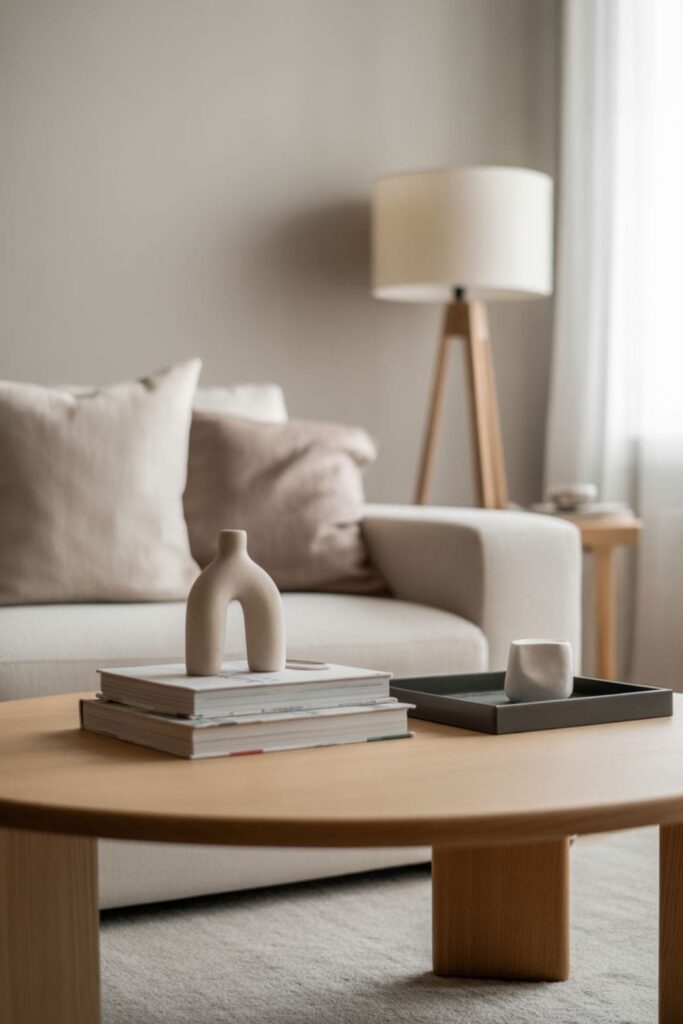
Coffee tables get cluttered fast.
In a minimalist living room, restraint is everything. Try the rule of three: a stack of books, a small tray, one sculptural object.
That’s it. Empty space is part of the design. Don’t rush to fill it.
3. Keep the Floor Clear
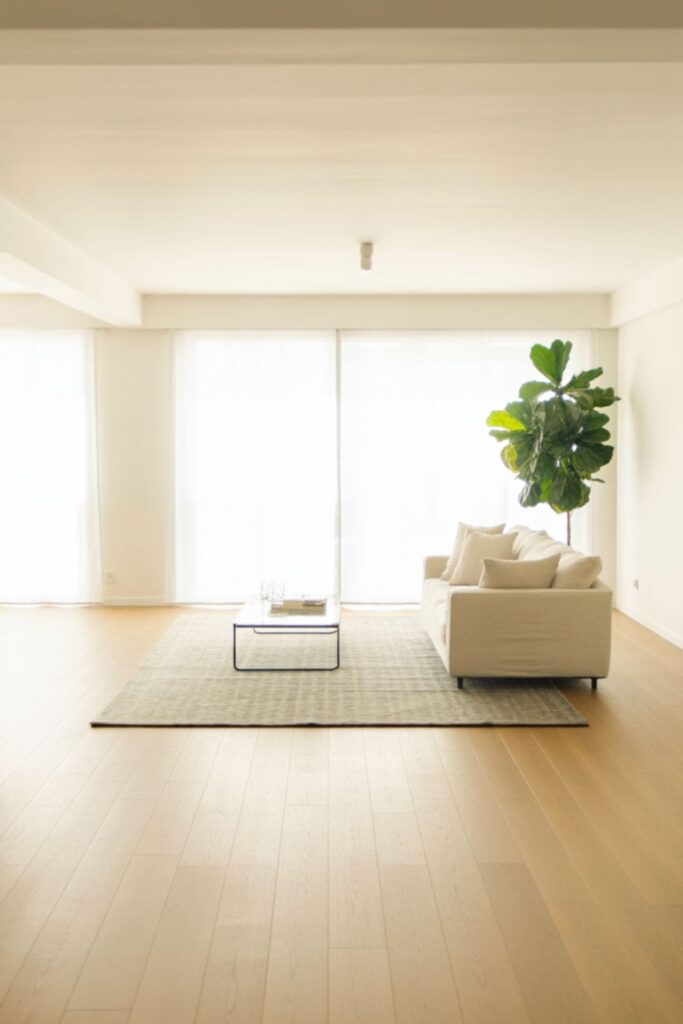
Visual calm often starts from the ground up.
Avoid too many small rugs. Use one large area rug that fits under the main furniture. Limit floor decor to one plant or stool.
Open floor space instantly makes the room feel bigger.
4. Lower the Visual Weight
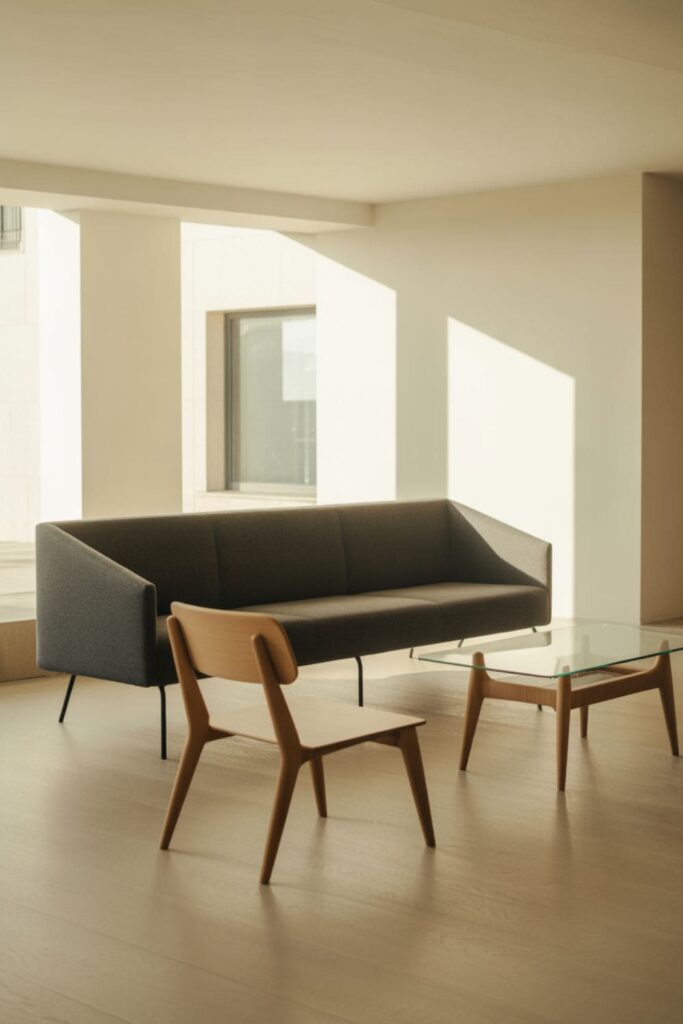
Heavy furniture can make even large rooms feel tight.
Choose pieces with visible legs. Sofas that sit slightly elevated. Console tables that don’t touch the floor fully.
This small detail creates airflow under furniture. It’s subtle—but your eyes notice.
5. Use Built-Ins for a Seamless Look
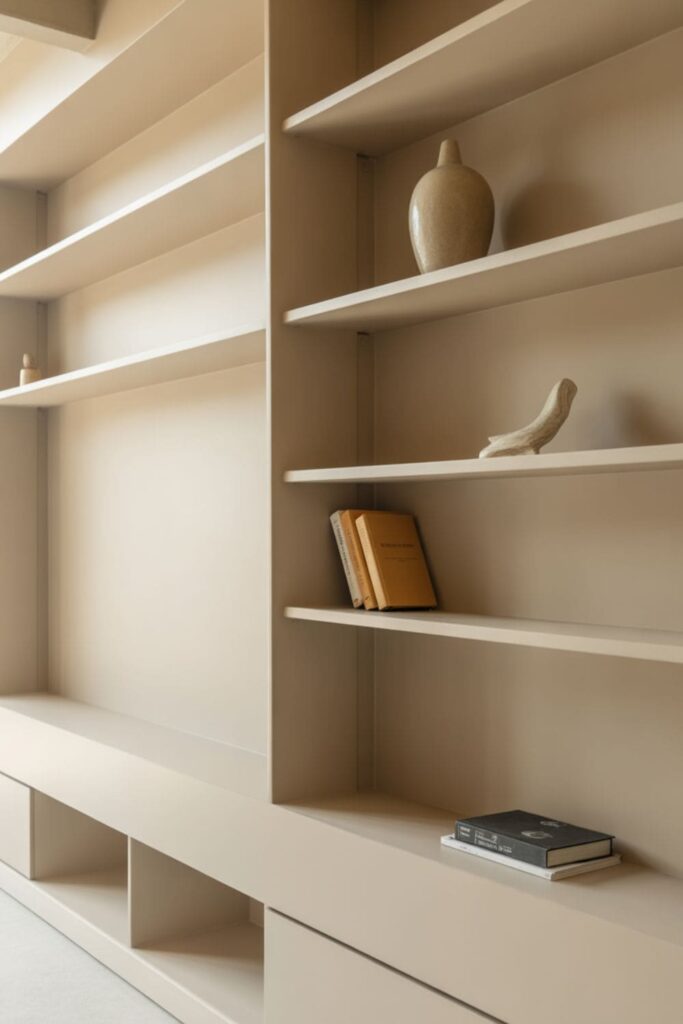
Built-in shelves or cabinets blend into the architecture.
They reduce visual bulk and remove the need for extra furniture. When painted the same color as the walls, they almost disappear.
Minimalism loves anything that feels integrated rather than added on.
6. Let One Material Lead
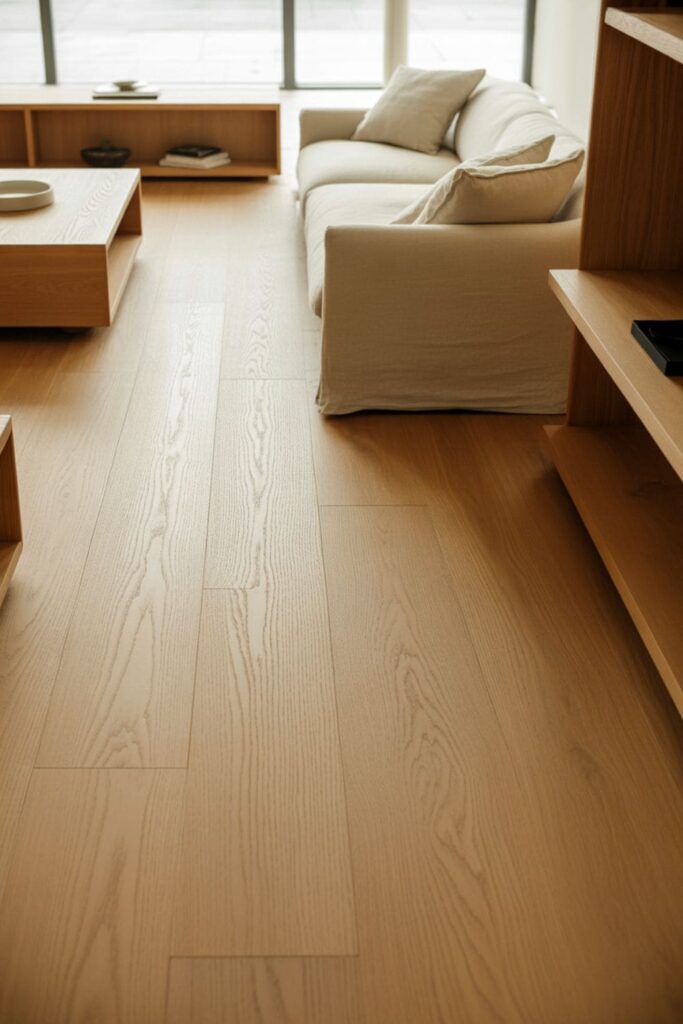
Too many materials can compete.
Pick one dominant material and let it guide the space: light oak, black metal, warm walnut, soft linen. Repeat it across key pieces.
When materials relate to each other, the room feels cohesive and intentional.
7. Choose Simple Window Frames
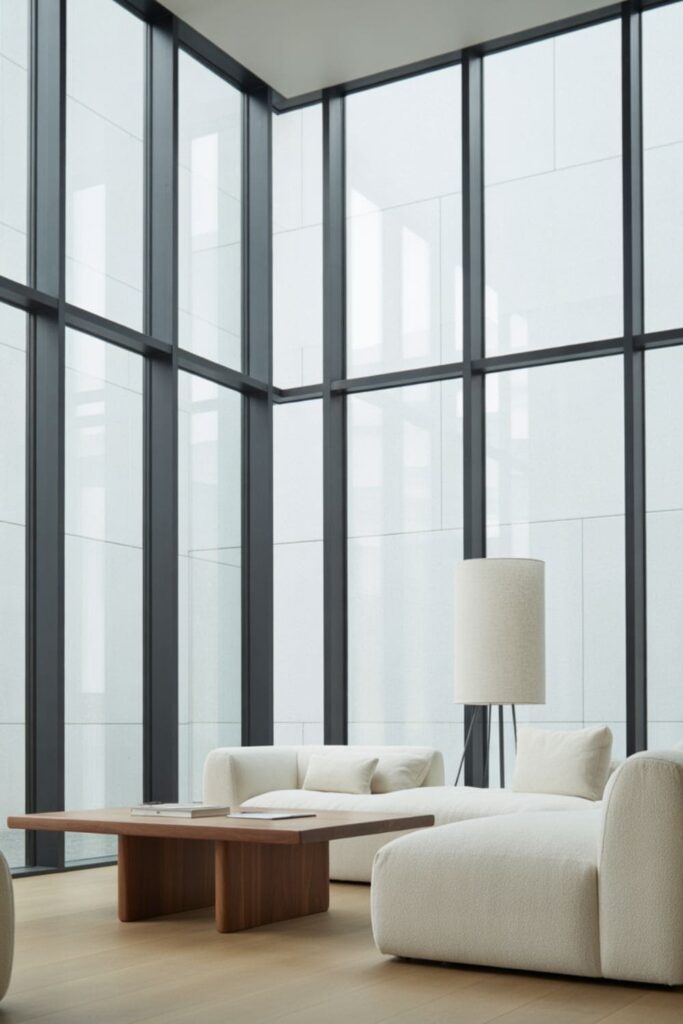
If you’re renovating or building, consider slim window frames.
Thin black or neutral frames keep the look modern and outline the view without overpowering it.
Large windows with minimal framing turn natural light into art.
8. Add Soft Curves in Small Doses
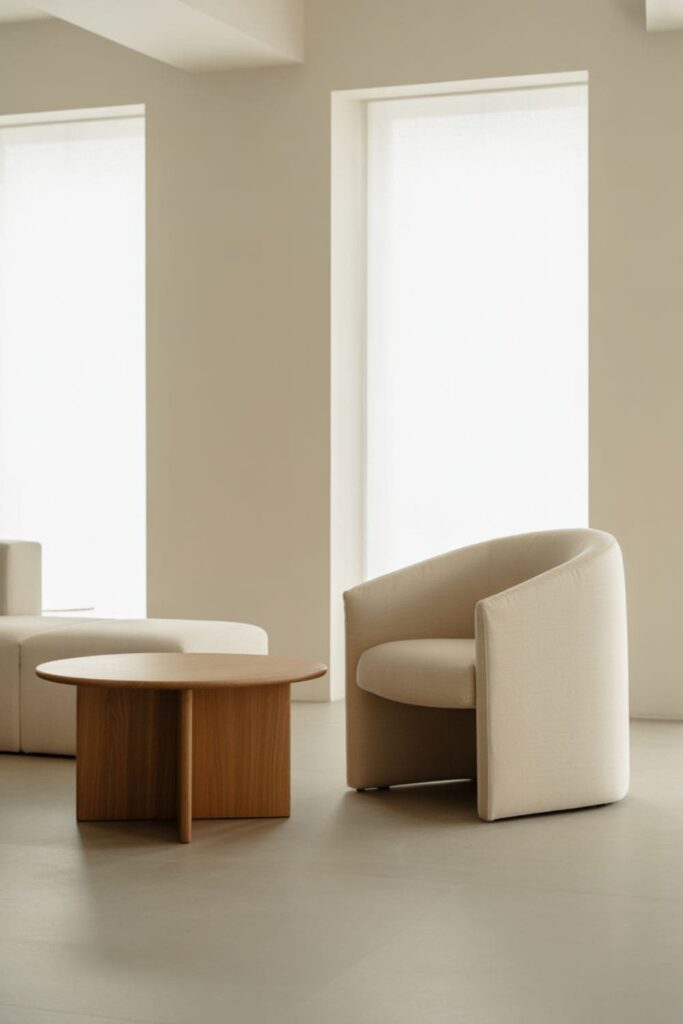
Minimalism isn’t only straight lines.
A curved armchair, a round coffee table, or an arched floor lamp softens the space without overwhelming it.
Contrast creates balance—just keep it intentional.
9. Use Monochrome Layers
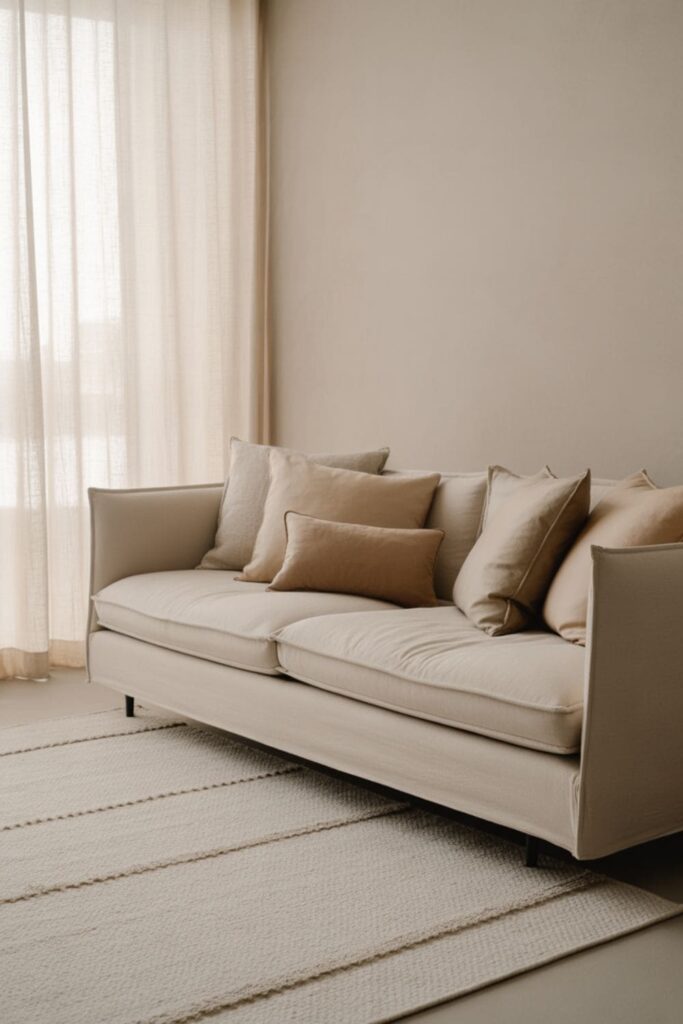
A monochrome room doesn’t mean one flat shade.
Layer different tones of the same color: cream with ivory, charcoal with soft gray, sand with beige.
The subtle variation creates depth without chaos. Calm—but not boring.
10. Keep the Ceiling Simple
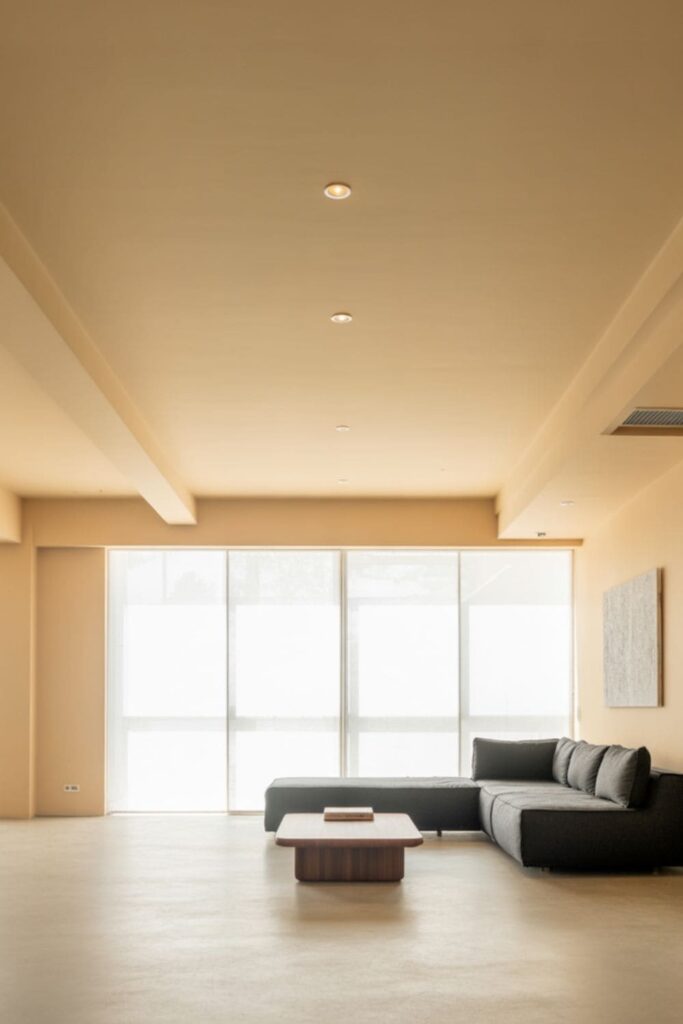
Ceilings are often ignored—or overdesigned.
Skip heavy moldings or bold paint colors. A clean white or soft neutral ceiling keeps the room open and airy.
Recessed lighting blends in beautifully. Let the ceiling disappear into the background.
Related: Low Ceiling Living Room Ideas
11. Use Glass for Lightness
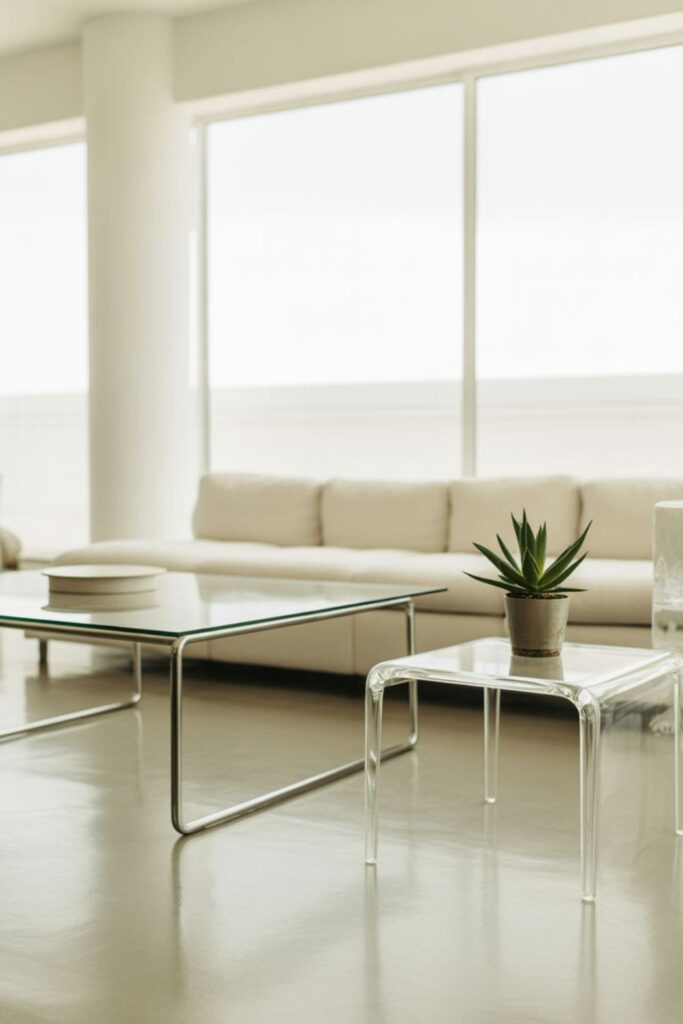
Glass furniture can visually disappear.
A glass coffee table, a clear side table, or a simple glass vase reduces visual weight and makes small rooms feel larger.
They reflect light without adding bulk.
12. Choose Low-Contrast Transitions
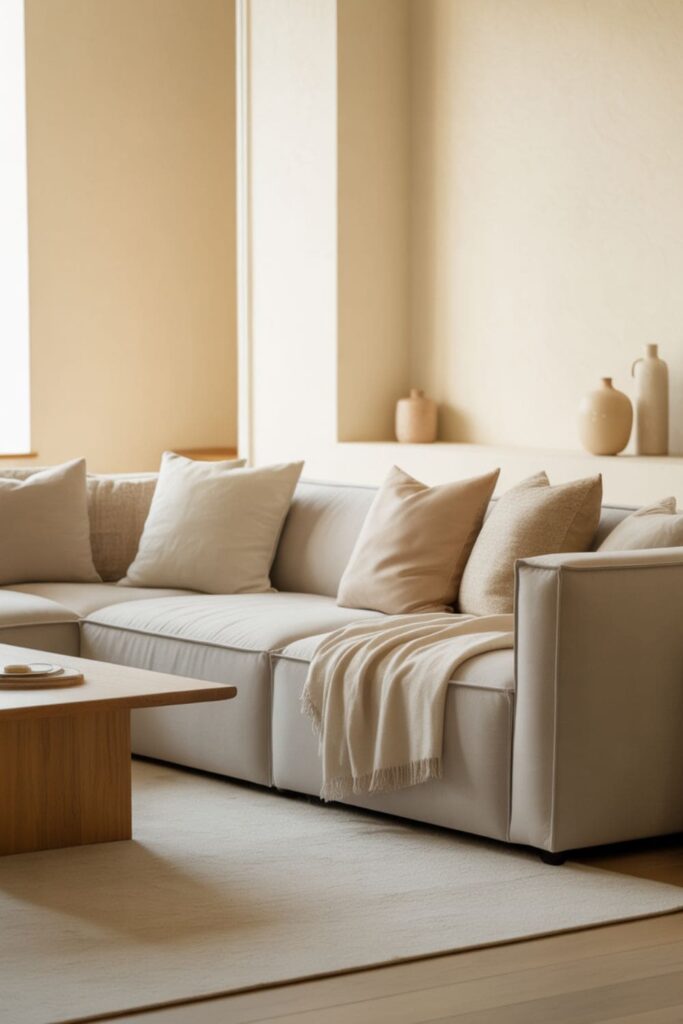
Sharp contrasts can energize a room—but minimalism often prefers softer transitions.
Instead of black against white, try soft gray against cream. Instead of dark brown against pale walls, soften the gap with mid-tones.
The goal is harmony, not drama.
13. Keep Throw Blankets Simple
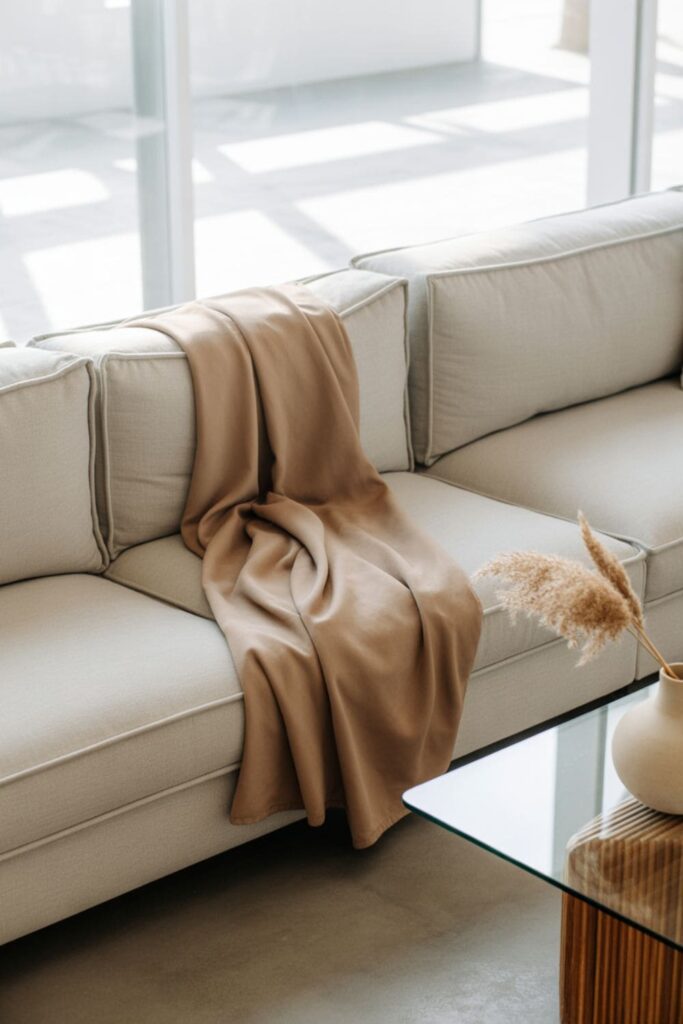
Throws add comfort—but they can add clutter.
Choose one blanket in a neutral shade. Drape it neatly over the arm of the sofa or fold it cleanly.
Casual is fine. Messy is not.
14. Use Mirrors Strategically
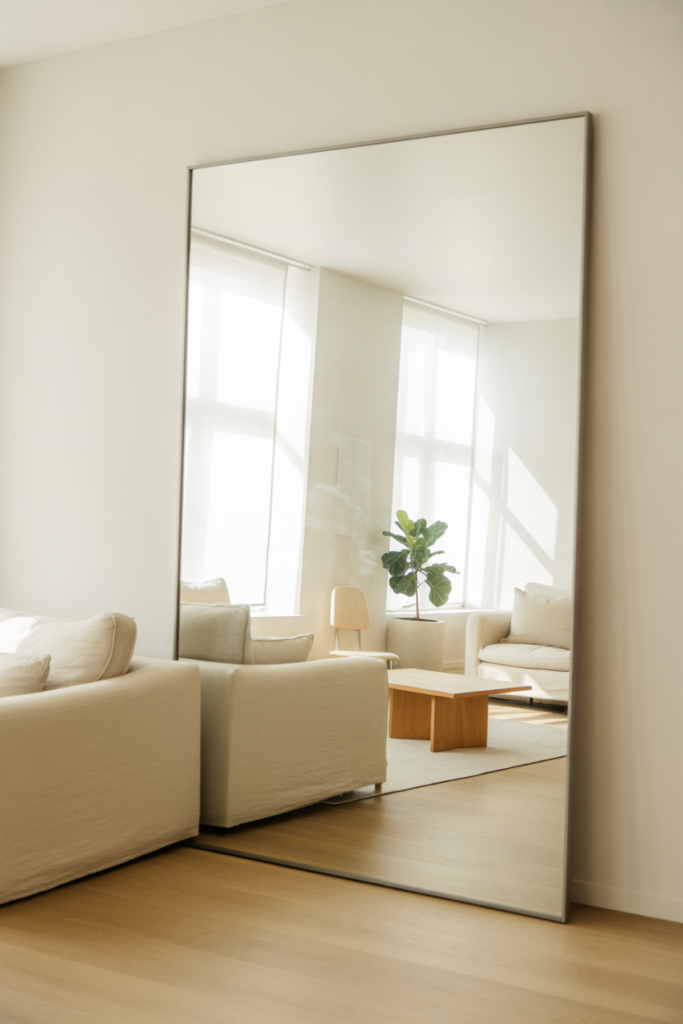
Mirrors expand space without adding objects.
Place one large mirror opposite a window to reflect natural light. Choose a thin frame—or no frame at all.
Avoid overly decorative shapes. Let the mirror enhance, not dominate, the room.
15. Choose Minimal Hardware
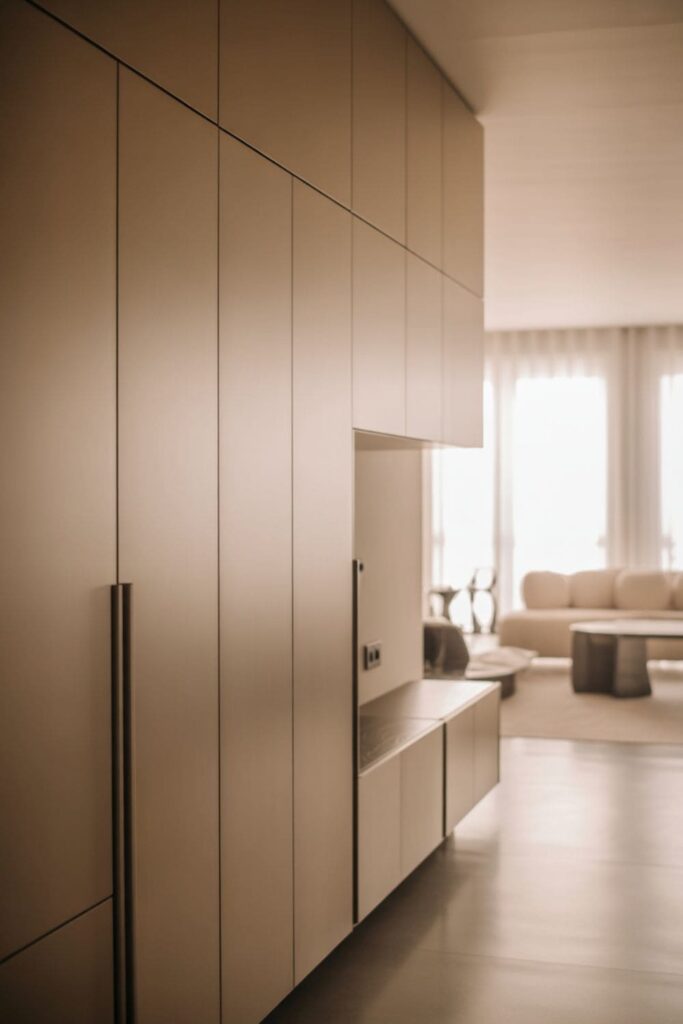
If your living room includes cabinets or built-ins, pay attention to hardware.
Slim handles, matte finishes, or even handleless push systems keep the clean look. Chunky knobs or ornate pulls break the flow.
Small details matter in minimalist spaces.
16. Choose a Floating Console
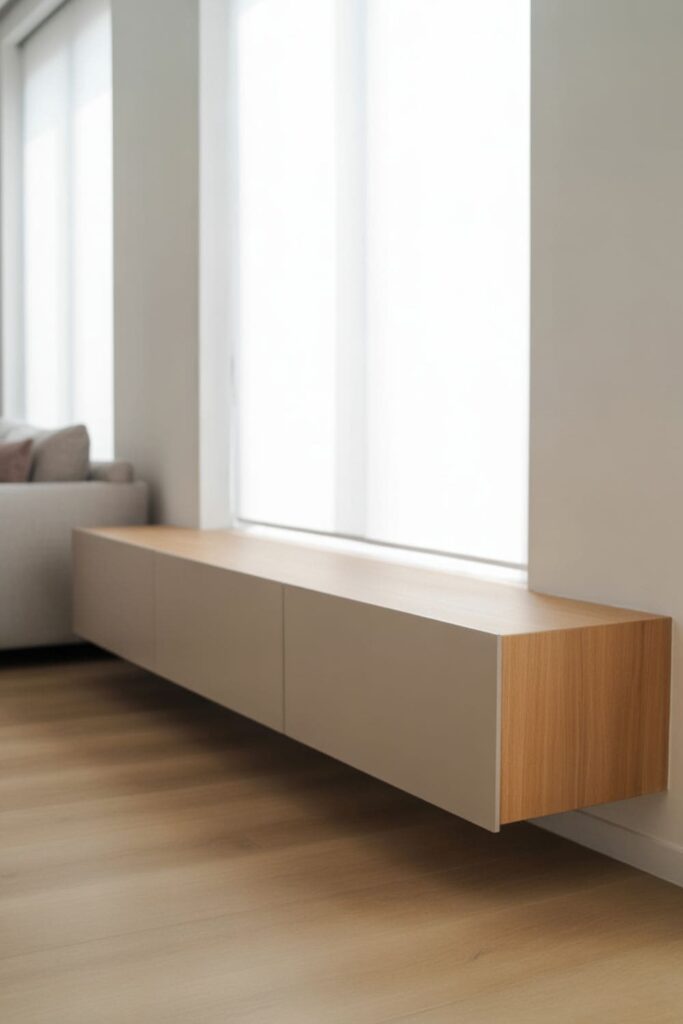
Floating furniture instantly lightens a room.
A wall-mounted console under the TV keeps the floor visible, making the room feel larger. It also simplifies cleaning.
Minimalism loves pieces that feel suspended rather than bulky.
17. Keep Decor in Odd Numbers
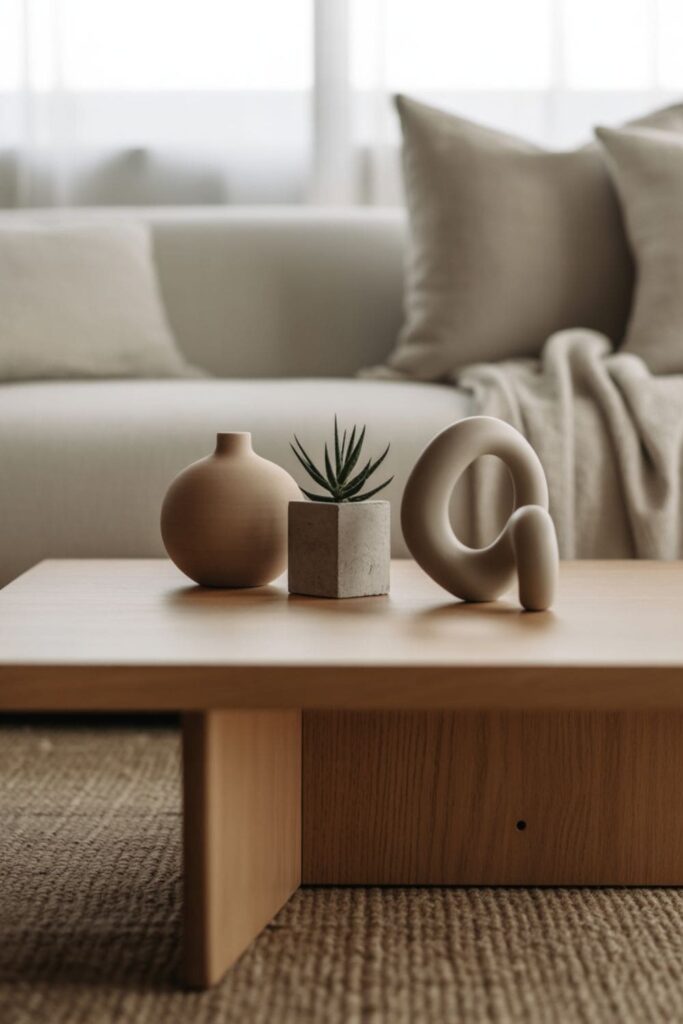
There’s a quiet balance in odd groupings.
Three objects on a table. Five books stacked loosely. Odd numbers feel natural, organic, and curated—but don’t overdo it.
18. Reduce Open Shelving
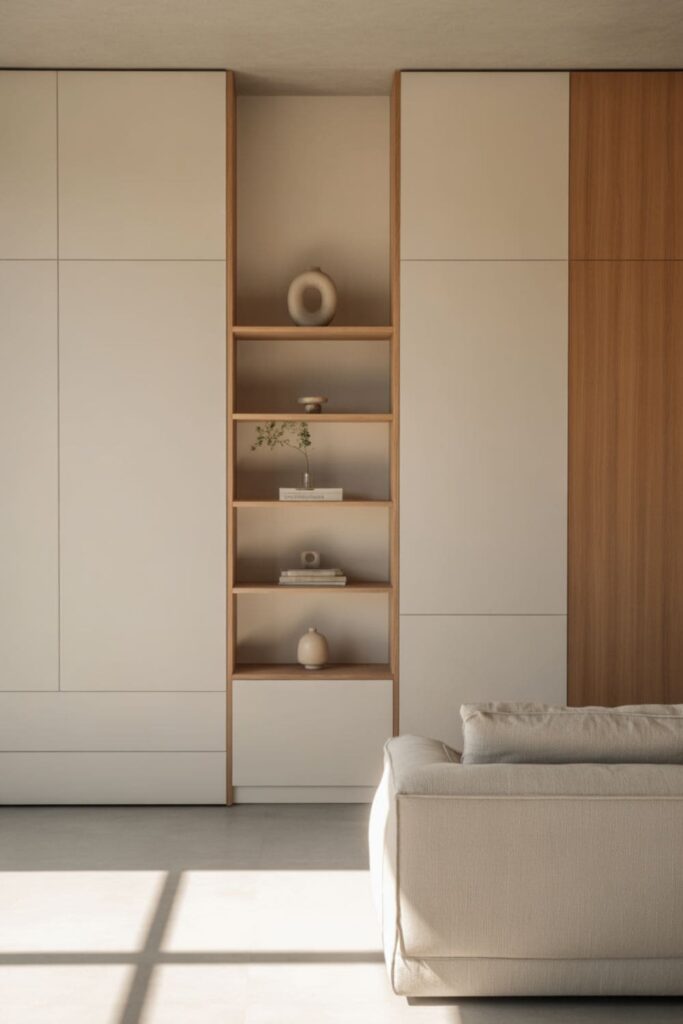
If you have built-ins, style them sparingly.
Leave some shelves empty. Mix vertical and horizontal book stacks with one or two objects.
Don’t feel pressure to fill every section. Empty shelves are part of the design.
Related: Living Room Shlef Styling Ideas
19. Limit Accent Colors to One
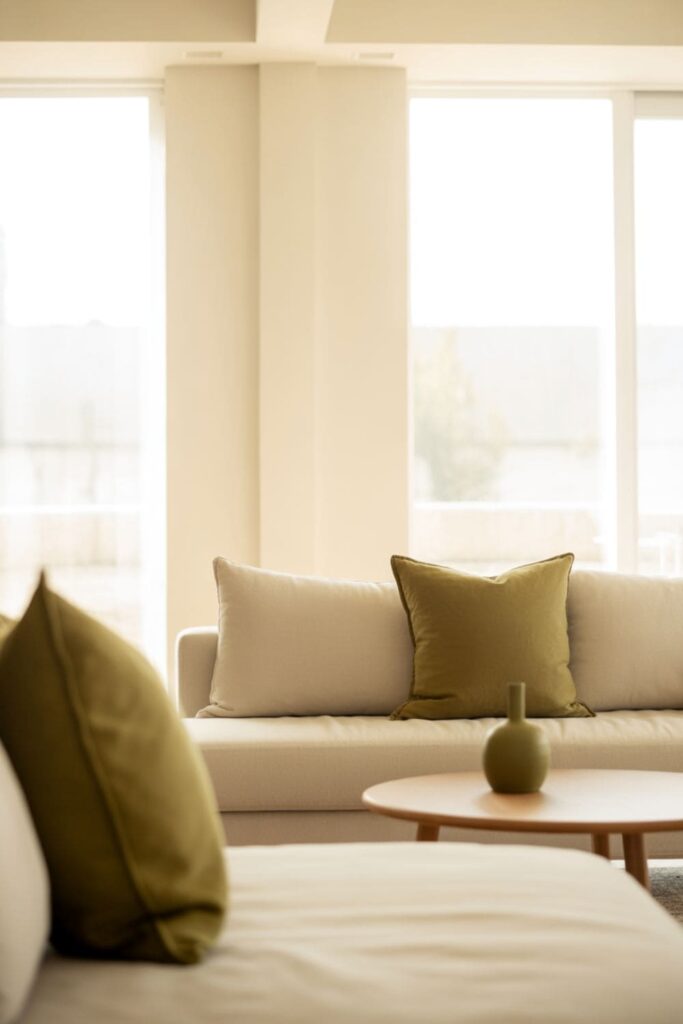
Too many accent shades create tension.
Choose one: muted olive, dusty blue, soft terracotta. Repeat it in small doses across the room.
When everything relates to one accent, the space feels cohesive.20. Align Furniture Thoughtfully
Crooked layouts create subtle stress.
Align sofas with rugs. Center coffee tables properly. Keep spacing even. The layout doesn’t need to be rigid—but it should feel intentional.
A well-aligned room feels calm without you knowing why.
Conclusion
Minimalist living room design is about clarity: in color, layout, and purpose.
You remove distractions so the essentials can shine.
You create space not just around furniture, but within your life.
Minimalism isn’t about perfection—it’s about intention.
When every piece has a reason to be there, the room feels lighter, calmer, and more peaceful.
More like home.

